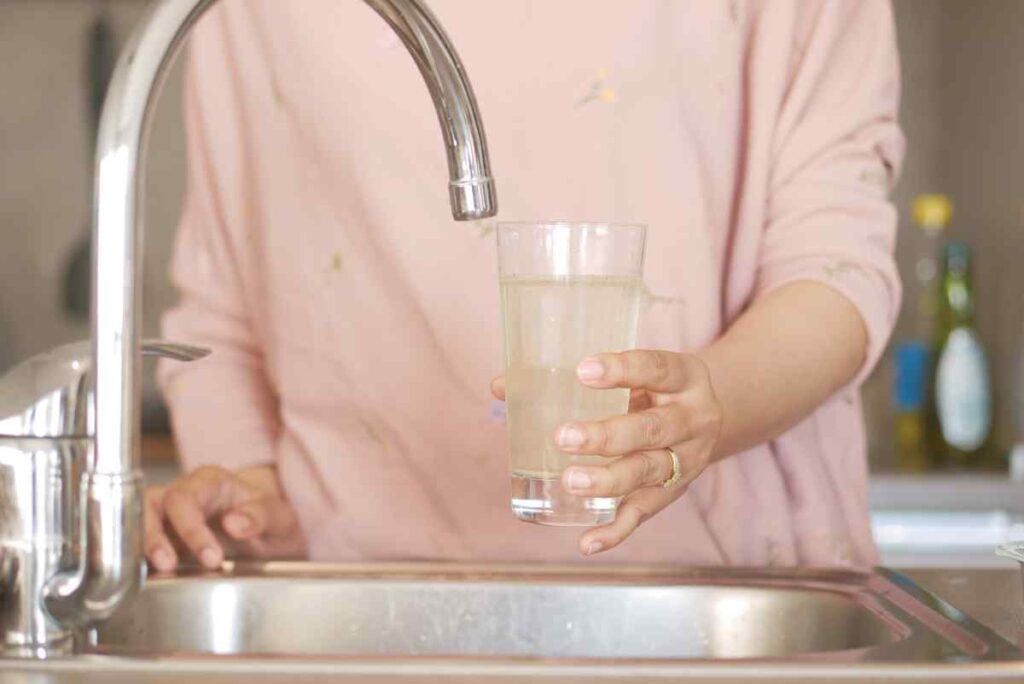
While most New Jersey homeowners understand the dangers of radon gas accumulating in basements and living spaces, fewer realize their drinking water could also pose a significant health risk. Radon contamination in drinking water New Jersey is particularly prevalent in homes served by private wells, where groundwater flowing through uranium-bearing bedrock can become saturated with this radioactive gas. Unlike airborne radon that seeps through foundation cracks, waterborne radon enters your home every time you turn on a faucet, take a shower, or wash dishes.
The health implications extend beyond simple ingestion concerns. When radon-contaminated water is used throughout your home, the gas is released into indoor air during routine activities, contributing to your overall radon exposure. For families relying on well water in New Jersey’s geologically active regions, this represents an often-overlooked pathway for radon entry that can significantly elevate cancer risk over time.
This comprehensive guide examines everything New Jersey homeowners need to know about radon in well water New Jersey, from understanding the geological factors that increase contamination risk to exploring proven testing methods and effective treatment solutions. According to the Environmental Protection Agency’s research on radon in drinking water, approximately 168 cancer deaths occur annually nationwide from radon in water, with 89 percent attributed to lung cancer from breathing radon released during water use and 11 percent from stomach cancer caused by ingestion.
Understanding Radon Contamination in Drinking Water
Radon contamination occurs when this naturally occurring radioactive gas dissolves into groundwater as it moves through underground rock formations. The process begins with uranium deposits in bedrock that slowly decay over thousands of years, releasing radon gas as a byproduct. This colorless, odorless, and tasteless gas easily dissolves in water, where it remains trapped until the water reaches your home. Without specialized testing equipment, detecting radon in your water supply is impossible through human senses alone. For a broader overview of what NJ homeowners need to know about radon, see our guide on radon facts for New Jersey homeowners.
The concentration of radon in groundwater depends primarily on the amount of uranium present in surrounding geological formations and how long water remains in contact with these rock layers. Wells drilled deeper into bedrock typically encounter higher radon levels because water spends more time in contact with uranium-bearing rock. Surface water sources like rivers, lakes, and reservoirs rarely contain significant radon levels because the gas escapes into the atmosphere before reaching treatment facilities or homes.
New Jersey’s unique geological characteristics make certain regions particularly susceptible to radon water contamination New Jersey problems. The state sits atop several uranium-rich rock formations that contribute to elevated radon levels in both indoor air and groundwater supplies.
New Jersey’s High-Risk Geological Formations
Northwestern New Jersey contains some of the most radon-prone geology in the United States. The Reading Prong, a uranium-rich geological formation stretching from Pennsylvania through northwestern New Jersey into southern New York, creates particularly high radon concentrations in both air and water. This ancient mountain range contains crystalline rocks with elevated uranium content that continuously releases radon into surrounding soil and groundwater. Homes with private wells in Sussex, Warren, Hunterdon, Morris, and Somerset counties face substantially higher radon water contamination risk due to this geological feature.
The New Jersey Highlands region, which encompasses portions of seven counties in the northern part of the state, also presents elevated radon risks. The Highlands’ bedrock consists primarily of Precambrian gneiss and granite, both known for higher uranium concentrations. Well water drawn from these formations typically requires testing and often treatment to reduce radon levels to acceptable concentrations.
Even beyond these well-documented high-risk zones, the New Jersey Department of Environmental Protection considers radon a statewide concern. Testing conducted throughout the state has revealed elevated radon levels in groundwater across diverse geological settings, making testing advisable for all New Jersey homes served by private well water regardless of location.
Health Risks of Radon in Well Water New Jersey
Understanding how radon from contaminated water affects human health requires examining two distinct exposure pathways. While drinking water containing radon does pose health risks, the greater danger comes from radon gas released into indoor air during normal water use. This dual-threat nature makes radon in water testing New Jersey particularly important for comprehensive health protection.
Primary Health Threat: Airborne Radon Released from Water
The majority of health risk from radon in water comes not from drinking it, but from breathing radon gas released during everyday household activities. When you shower, wash dishes, run the washing machine, or even flush toilets, radon dissolved in the water escapes into your home’s air. The EPA estimates that roughly 89 percent of cancer deaths attributed to radon in drinking water result from lung cancer caused by inhaling this released gas rather than from drinking contaminated water directly.
The mechanics are similar to how carbonation escapes when you open a soda bottle. Running water and water spray dramatically accelerate radon release. A ten-minute shower in a bathroom using high-radon well water can release substantial amounts of radon gas into the enclosed space, where family members inhale it directly. The accumulated effect of multiple water-using activities throughout each day compounds exposure, particularly in homes with inadequate ventilation.
Research indicates that approximately 10,000 picocuries per liter (pCi/L) of radon in water contributes about 1 pCi/L to indoor air radon levels. For perspective, the EPA’s action level for indoor air radon is 4 pCi/L. A private well with 40,000 pCi/L of radon could theoretically contribute 4 pCi/L to indoor air through normal water use alone. When combined with radon entering from soil beneath the home, total indoor air concentrations can reach dangerous levels even if basement radon mitigation systems have been installed.
Secondary Health Threat: Ingestion Risk
Drinking water contaminated with radon presents a smaller but still significant cancer risk, primarily affecting the stomach and digestive system. The EPA estimates that approximately 11 percent of radon-in-water-related cancer deaths result from stomach cancer caused by direct consumption of contaminated water. Radon decay products can damage the stomach lining through radioactive particle emissions, though the risk is considerably lower than lung cancer risk from inhalation.
The ingestion pathway affects everyone in the household who drinks tap water, from adults consuming multiple glasses throughout the day to children drinking water directly or mixed into beverages. Chronic exposure over months and years allows radioactive particles to repeatedly bombard digestive tissues, increasing mutation risk that can eventually lead to cancer development.
Vulnerable Populations in New Jersey
Certain New Jersey residents face elevated risk from radon in well water New Jersey. Private well users throughout the state should prioritize testing, particularly in northwestern counties where geological conditions create the highest contamination likelihood. Families with young children should consider testing and treatment more urgently, as children’s developing bodies may be more susceptible to radiation damage. Long-term residents who have consumed well water for decades without testing face cumulative exposure that increases their lifetime cancer risk.
Smokers and former smokers face dramatically amplified lung cancer risk when exposed to elevated radon levels. The combination of tobacco smoke damage and radon exposure creates a synergistic effect that multiplies cancer risk far beyond either factor alone. Households with current or former smokers should treat radon testing and mitigation as particularly urgent health priorities.
EPA Guidelines and New Jersey Regulations for Radon in Water
Federal and state regulatory frameworks for radon in drinking water remain complex, with proposed standards that haven’t been formally adopted but still provide important guidance for homeowners. Understanding these guidelines helps New Jersey well owners make informed decisions about when to test and what concentration levels warrant treatment.
EPA’s Proposed Standards for Public Water Systems
The Environmental Protection Agency proposed a Maximum Contaminant Level (MCL) of 300 pCi/L for radon in public drinking water supplies in 1999, though this standard has never been formally adopted into federal regulation. The proposal also included an Alternative Maximum Contaminant Level (AMCL) of 4,000 pCi/L for water systems in states that implement comprehensive multimedia mitigation programs addressing indoor air radon. These programs, when implemented, allow higher radon levels in drinking water because they simultaneously reduce the larger radon threat from soil gas entry into homes.
The proposed 300 pCi/L standard reflects a balance between health protection and treatment feasibility. At this concentration level, radon in water contributes minimally to indoor air radon levels. The 4,000 pCi/L alternative recognizes that addressing radon from soil sources provides greater overall health benefit than focusing exclusively on water treatment, since soil typically contributes far more radon to indoor air than water does.
It’s important to note that these EPA standards apply only to community water systems serving 25 or more people year-round. Private residential wells remain unregulated at the federal level, placing responsibility for testing and treatment entirely on individual homeowners. The absence of mandatory testing requirements means many New Jersey families using well water remain unaware of potential radon contamination.
New Jersey’s Approach to Radon in Water
New Jersey has not established mandatory radon testing or treatment requirements for private wells. However, the state Department of Environmental Protection strongly recommends that all homeowners with private wells conduct radon testing, particularly in known high-risk geological areas. The DEP provides educational resources and maintains lists of certified laboratories capable of accurate radon water testing New Jersey, but leaves the decision to test and treat to individual property owners.
For real estate transactions, New Jersey does not require sellers to test for radon in water or disclose previous test results, though prudent buyers often request such testing during home inspections. Many lenders and insurance companies now recommend or require radon testing for properties served by private wells in high-risk counties. Some municipalities in northwestern New Jersey have implemented local recommendations or educational programs encouraging radon water testing, though enforcement mechanisms remain limited.
The state’s certification program for radon testing and mitigation professionals includes specialized training for water testing and treatment system installation. This ensures that New Jersey residents have access to qualified contractors capable of properly measuring radon concentrations and installing effective treatment systems when needed.
Radon Water Testing New Jersey: Methods and Procedures
Proper testing represents the only reliable method for determining whether your well water contains dangerous radon levels. The testing process involves specialized equipment and laboratory analysis, with several important considerations affecting accuracy and reliability.
When to Test Your Well Water for Radon
New Jersey homeowners should consider radon water testing New Jersey under several specific circumstances. If you’ve already conducted indoor air testing and discovered elevated radon levels above 4 pCi/L, testing your well water helps determine whether water contributes significantly to your indoor air problem. Homes in northwestern New Jersey counties, particularly those in the Reading Prong or Highlands regions, should test routinely even without elevated air readings, given the high geological risk in these areas.
Home buyers purchasing properties with private wells should insist on radon water testing during the inspection period. The relatively modest testing cost provides crucial information about potential treatment expenses and long-term health risks. Real estate transactions represent an ideal time to identify and address radon water issues before purchase finalizes. Many buyers successfully negotiate for seller-paid treatment system installation when testing reveals elevated concentrations.
Any time you conduct work on your well system, including pump replacement, well deepening, or major repairs, retesting becomes advisable. These changes can alter the radon concentration in water drawn from the well. Similarly, if you notice changes in water characteristics like taste, odor, or color, comprehensive water quality testing including radon analysis helps identify potential problems.
Professional Laboratory Testing Process
Accurate radon water testing requires specialized collection procedures and laboratory equipment. The process begins with obtaining an appropriate sample collection kit from a certified laboratory or radon testing professional. These kits include specific bottles designed to prevent radon escape during collection and transport. Proper collection technique is critical because radon begins escaping from water immediately upon exposure to air.
The standard collection method involves filling sample bottles directly from an outdoor spigot or hose bib before water passes through any treatment systems. This provides an accurate measurement of radon concentration in raw well water. The collector must minimize water agitation and air exposure during filling, following detailed instructions provided with the collection kit. Samples should be shipped to the laboratory promptly, ideally within 24 hours of collection, to minimize radon decay before analysis.
Certified laboratories use liquid scintillation counting, a highly sensitive method that measures radioactive decay within the water sample. This technique can detect radon concentrations as low as 100 pCi/L with excellent accuracy. Results typically arrive within one to two weeks of sample receipt, providing a precise measurement of your well water’s radon concentration. The laboratory report will indicate whether levels exceed recommended action thresholds and whether treatment should be considered.
The Value of Professional Testing Services
While DIY test kits exist, professional radon testing services offered by certified specialists provide several important advantages. Experienced professionals understand proper collection techniques that ensure accurate results. They can coordinate testing to include other important water quality parameters beyond radon, providing a comprehensive assessment of your well water safety. Professional services also include interpretation of results in context of your specific situation, including whether treatment is recommended and what type would work best.
Certified professionals can assess your home’s complete radon profile, testing both air and water to determine the relative contribution from each source. This information proves invaluable when developing a comprehensive radon reduction strategy. If treatment becomes necessary, working with the same professional who conducted testing often streamlines system selection and installation, ensuring the chosen solution addresses your specific contamination level and household needs.
Radon Water Mitigation New Jersey: Treatment Options
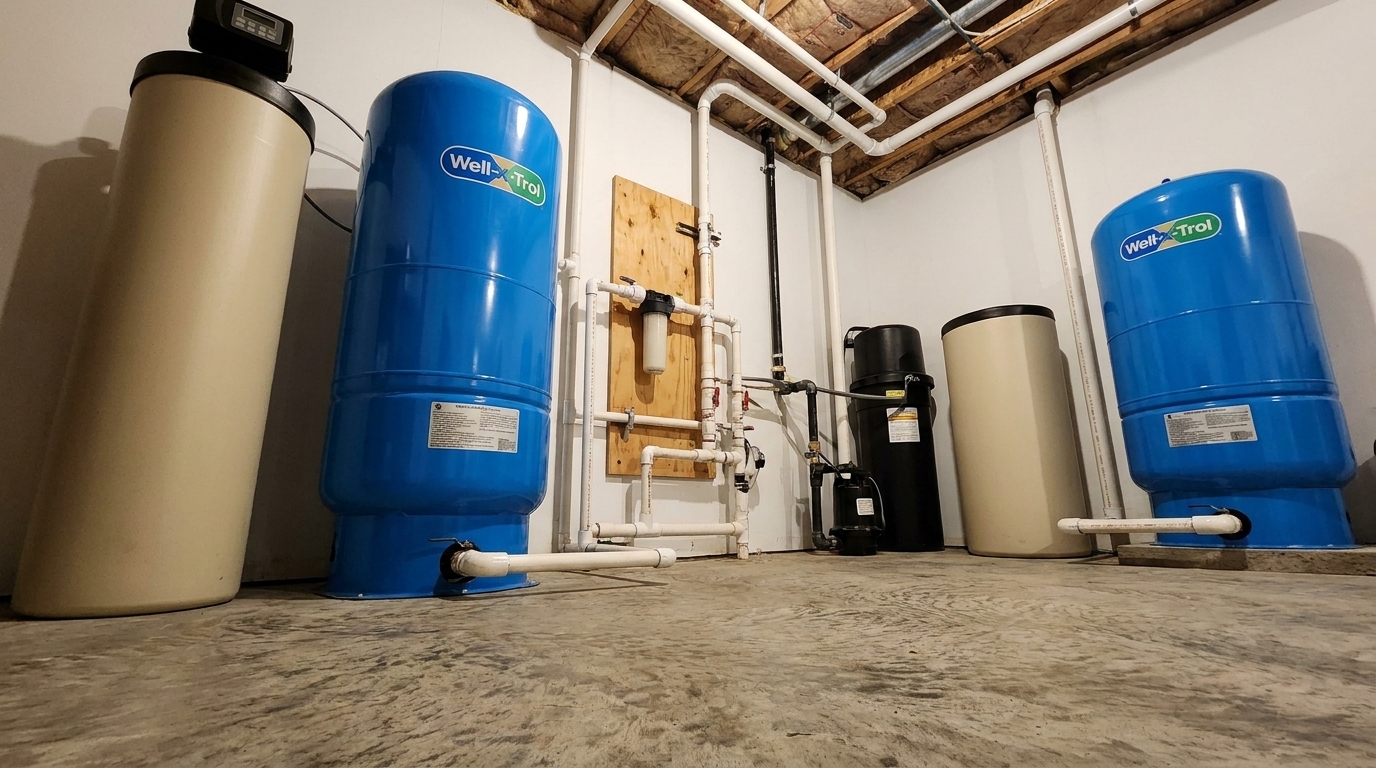
When testing reveals radon concentrations requiring treatment, two primary technologies provide effective removal: aeration systems and granular activated carbon filtration. Understanding the benefits, limitations, and costs of each approach helps homeowners select the most appropriate solution for their circumstances.
Point-of-Entry Treatment Systems
Effective radon water mitigation New Jersey requires point-of-entry treatment systems that process all water entering your home. Point-of-entry systems install where your well line enters the house, before water distributes to individual fixtures. This ensures that water used throughout your home, including for showering, laundry, and dishwashing, receives treatment. Point-of-use devices like faucet filters or under-sink units prove inadequate for radon removal because they treat only a small portion of household water and fail to address the primary health risk: radon release into air during high-volume water uses.
Point-of-entry systems provide whole-house protection, treating every gallon of water before it reaches any fixture. This comprehensive approach addresses both the inhalation risk from radon release during water use and the smaller ingestion risk from drinking contaminated water. Professional installation ensures proper integration with your existing plumbing system and optimal performance.
Aeration Treatment Systems
Aeration represents the most effective technology for radon water removal system New Jersey installations, typically achieving 95 to 99 percent radon reduction. These systems work by maximizing contact between water and air, allowing radon gas to escape from the water into an air stream that’s safely vented outdoors. The fundamental principle resembles how carbonation escapes from soda: increasing surface area contact between water and air accelerates gas transfer from liquid to vapor phase.
Modern residential aeration systems employ several design approaches. Packed tower aeration forces water down through a column filled with special packing material while air flows upward, creating extensive water-air contact. Spray aeration sprays water into fine droplets in a sealed chamber while air circulates through, stripping radon from the droplets. Bubble aeration bubbles air through water in a tank, though this design typically suits lower radon concentrations. All designs include a blower or fan that continuously moves air through the system and vents radon-laden air safely outdoors, typically through a vent pipe extending above the roofline.
Aeration systems offer several important advantages. They maintain consistently high removal efficiency throughout their operational life when properly maintained. The treated water remains chemically unchanged except for radon removal, avoiding issues with water chemistry or introducing treatment byproducts. These systems can increase household water pressure in some cases, providing an additional benefit. They safely dispose of removed radon by diluting it in outdoor air rather than accumulating radioactivity in filter media.
Installation complexity and cost represent the primary drawbacks. Professional installation typically costs between $4,000 and $7,000 for residential systems, depending on household water demand, specific radon levels, and installation complexity. The systems require electrical power to operate the blower, adding modest ongoing operating costs. Annual maintenance includes inspecting and cleaning spray nozzles or diffuser systems, checking the blower motor, ensuring proper vent operation, and verifying continued treatment effectiveness through follow-up testing.
Granular Activated Carbon Filtration
Granular activated carbon (GAC) systems represent a lower-cost alternative for radon removal, typically priced between $1,500 and $2,500 installed. These systems filter water through a tank filled with activated carbon granules. Radon molecules adhere to the carbon’s extensive surface area, leaving treated water virtually radon-free. Well-designed GAC systems can achieve 85 to 99 percent radon removal when properly sized and maintained.
GAC systems feature simpler installation than aeration systems, requiring only basic plumbing connections and a pressure vessel to hold the carbon media. They operate without electrical power, eliminating ongoing energy costs. The compact design fits easily in most basements or utility areas, requiring less space than typical aeration systems. Initial costs run substantially lower than aeration installations, making GAC attractive for homeowners with budget constraints.
However, GAC filtration presents several important limitations and safety concerns. As carbon captures radon, radioactivity accumulates within the filter tank. Long-term use, particularly at higher radon concentrations, can result in significant gamma radiation emissions from the accumulated radioactive material. This creates potential exposure risks for anyone spending time near the filter tank. Many authorities recommend limiting GAC use to situations where water radon levels remain below 5,000 pCi/L to minimize radiation accumulation.
The accumulated radioactivity also creates challenges for filter media disposal. Spent carbon may qualify as radioactive waste requiring special handling and disposal procedures. Replacement intervals depend on radon concentration and water usage but typically range from one to three years. Between replacements, filtration efficiency gradually declines as carbon becomes saturated. If bacterial growth occurs within the carbon bed, both treatment effectiveness and media disposal complexity increase.
For these reasons, many radon mitigation professionals recommend aeration systems over GAC filtration despite the higher initial cost. The long-term safety, consistent performance, and lack of radioactive waste disposal concerns make aeration the preferred choice for most New Jersey installations, particularly when water radon levels exceed 5,000 pCi/L.
Choosing a Radon Water Removal System New Jersey
Selecting the appropriate treatment system requires careful consideration of multiple factors beyond simple cost comparison. The right choice depends on your specific circumstances, including current radon concentrations, household water consumption, available installation space, and long-term maintenance capabilities.
Critical Decision Factors
Your water’s radon concentration represents the single most important factor in system selection. Levels below 5,000 pCi/L might permit GAC filtration, though aeration remains the safer long-term choice. Concentrations between 5,000 and 10,000 pCi/L strongly favor aeration systems due to radiation accumulation concerns with GAC. Above 10,000 pCi/L, aeration becomes the only practical option, as GAC systems would require prohibitively frequent media changes and create significant radiation exposure risks.
Household water usage affects system sizing and operating costs. Larger families or homes with high water consumption require appropriately sized treatment systems. Aeration systems must match your well pump’s flow rate to prevent system shutdowns or inadequate treatment. GAC systems need sufficient carbon volume and contact time to achieve target removal efficiency at your household’s daily water usage rate. Professional assessment of your water consumption patterns ensures proper system sizing.
Available installation space constrains system selection in some homes. Aeration systems require more space for the aeration tank, blower equipment, and vent piping. Basement ceiling height matters for packed tower aerators, which can stand quite tall. GAC systems generally require less space but still need room for the pressure tank and periodic service access. Outdoor installation may be possible in some cases, though this introduces weatherproofing requirements and potential freeze protection needs in New Jersey’s winter climate.
Comprehensive Cost Analysis
Initial installation costs for aeration systems typically range from $4,000 to $7,000 in New Jersey, while GAC systems cost $1,500 to $2,500 installed. However, comprehensive cost analysis must consider ongoing expenses beyond initial installation. Aeration systems require annual professional maintenance costing $150 to $300, plus modest electricity costs for blower operation, typically $50 to $100 annually. Over a ten-year period, total ownership costs for aeration might reach $8,000 to $10,000.
GAC systems have no energy costs but require media replacement every one to three years at $300 to $600 per change, including disposal fees for radioactive carbon. Over ten years with biennial media changes, total costs could reach $4,000 to $5,500. However, this calculation doesn’t account for potential radiation exposure risks or the inconvenience and safety concerns associated with handling radioactive filter media.
Both systems require periodic water testing to verify continued effectiveness. Budget $100 to $150 for annual or biennial radon water testing to confirm your system maintains radon levels below target thresholds. This testing provides assurance that your investment continues protecting your family’s health.
Installation Requirements and Professional Services
Professional installation is essential for both system types but particularly critical for aeration systems. The installation process includes integrating the treatment system with your existing well pump and pressure system, installing proper venting to safely exhaust radon-laden air, ensuring adequate electrical service for aeration blowers, and configuring controls and safety interlocks. Experienced installers understand New Jersey’s building codes and plumbing requirements, ensuring compliant installations that function reliably.
Typical installation timelines range from one day for simpler GAC systems to two or three days for complex aeration installations. The contractor should provide detailed operating instructions, explain maintenance requirements, and schedule follow-up testing to verify system performance. Many installers offer service contracts covering annual maintenance visits, which prove valuable for ensuring long-term system reliability.
Working with certified radon professionals who hold appropriate New Jersey licenses and certifications ensures you receive quality work backed by professional accountability. These specialists understand the nuances of radon water treatment and can provide guidance specific to your situation. They can also coordinate water treatment with air radon mitigation if your home requires both approaches, creating a comprehensive radon reduction strategy.
Radon in Municipal Water vs. Well Water in New Jersey
The source of your drinking water dramatically affects radon exposure risk. New Jersey residents served by municipal water systems face substantially lower radon risk than those relying on private wells, though understanding the differences helps homeowners make informed decisions about testing and treatment needs.
Why Well Water Presents Higher Risk
Private wells draw water directly from underground aquifers where radon concentrations can reach thousands or tens of thousands of picocuries per liter. Water travels from the well directly to your home with no opportunity for radon to escape. The shorter residence time between extraction and use means radon remains dissolved in water at nearly full concentration. Deep wells drilled into uranium-bearing bedrock accumulate particularly high radon levels because water spends extended time in contact with radon-producing rock formations.
Municipal water systems, even those using groundwater sources, typically show much lower radon levels due to treatment processes and storage time. Water moving through treatment facilities, storage tanks, and distribution networks allows substantial radon escape before reaching homes. The physical agitation during treatment, extended storage periods, and time spent in open reservoirs all contribute to radon release. By the time municipal water reaches your tap, natural decay and atmospheric escape have reduced radon to minimal levels in most cases.
Surface water sources used by many New Jersey municipal systems contain virtually no radon. Rivers, lakes, and reservoirs expose water to open air where radon escapes continuously. The relatively short residence time between surface water intake and treatment prevents significant radon accumulation. Municipal systems drawing from surface sources rarely need to address radon contamination. Jersey City homeowners dealing with both water quality and radon concerns can find local service details on our Jersey City water treatment and radon mitigation page.
Testing Recommendations by Water Source
New Jersey homeowners with private wells should prioritize radon water testing regardless of location, with particular urgency in northwestern counties. The geological risk combined with direct well-to-home water delivery creates the highest potential for dangerous radon exposure. Testing every two to three years, or after any well work, helps ensure continued safety. Many well owners discover radon issues for the first time during real estate transactions, highlighting how commonly this hazard goes undetected.
Residents served by municipal water systems generally don’t need to conduct individual water testing for radon. If concerned, contact your water utility to ask whether they test for radon and what levels they’ve detected. Most New Jersey municipal systems can provide water quality reports showing radon levels if present. In the rare cases where municipal systems show elevated radon, the utility typically implements treatment before distribution, though individual testing remains an option if you want confirmation.
The distinction between well and municipal water risk becomes particularly important during real estate transactions. Buyers should ensure thorough water quality testing for any property with a private well, including radon analysis. Municipal water users can generally skip individual water testing and focus instead on indoor air radon testing, which addresses the more significant soil-based radon entry pathway.
The Connection Between Water Radon and Indoor Air Radon
Understanding the relationship between radon in water and radon in indoor air helps homeowners develop comprehensive protection strategies. These two radon sources interact in ways that can significantly affect total household exposure.
How Water Contributes to Indoor Air Radon Levels
The conversion factor of approximately 10,000 pCi/L in water equaling 1 pCi/L in air provides a useful rule of thumb for estimating water’s contribution to indoor air radon. A well containing 30,000 pCi/L of radon theoretically adds about 3 pCi/L to indoor air through normal household water use. This contribution combines with radon entering from soil beneath the home to determine total indoor air concentration.
The actual contribution varies based on household water consumption patterns, ventilation rates, and home size. Families using large volumes of water for frequent showers, laundry, and dishwashing release more radon into indoor air. Poor ventilation allows released radon to accumulate rather than disperse. Smaller homes with less air volume experience greater concentration increases from the same amount of water use. These variables mean the 10,000:1 ratio serves as an approximation rather than a precise predictor.
In homes where soil contributes minimal radon but well water contains high concentrations, water may represent the dominant radon source. This scenario occurs occasionally in areas with less uranium-rich surface soil but deeper bedrock formations containing uranium deposits. More commonly, both soil and water contribute simultaneously, with soil typically providing the larger share. Addressing both sources comprehensively maximizes protection.
Comprehensive Testing Strategy
The EPA recommends testing indoor air for radon before testing water. This prioritization reflects the fact that soil gas entry typically contributes more radon to homes than water does, even in areas with high groundwater radon levels. An initial air test revealing levels below 4 pCi/L suggests water likely isn’t a major concern, though testing remains advisable for peace of mind, especially in high-risk geological areas.
When air testing reveals levels at or above 4 pCi/L, water testing becomes more important for homes with private wells. If the air test shows 6 pCi/L and water testing reveals 30,000 pCi/L of radon, you know water contributes approximately 3 pCi/L to the total. Installing a water treatment system would reduce air levels to about 3 pCi/L from soil sources alone. Depending on circumstances, you might then choose to also install basement radon removal systems to address remaining soil-source radon, achieving maximum protection.
Testing both air and water provides the complete picture necessary for developing an effective mitigation strategy. Some homeowners discover that treating water alone reduces air levels sufficiently, while others need both water treatment and soil gas mitigation. Professional radon specialists can interpret your test results and recommend the most cost-effective combination of measures to achieve safe radon levels throughout your home.
Counties and Regions in New Jersey Most Affected by Radon in Water
New Jersey’s diverse geology creates significant variation in radon risk across different regions of the state. Understanding these geographical patterns helps homeowners assess their personal risk and prioritize testing and mitigation efforts.
Northwestern New Jersey’s High-Risk Zone
The Reading Prong geological formation creates the highest radon risk area in New Jersey. This ancient mountain range, composed primarily of Precambrian crystalline rocks with elevated uranium content, extends through Sussex, Warren, and Hunterdon counties. Homes in these counties, particularly those with private wells drilled into bedrock, face the greatest likelihood of elevated radon in both air and water. Radon water concentrations exceeding 10,000 pCi/L occur frequently in this region, with some wells showing levels above 50,000 pCi/L.
The New Jersey Highlands, overlapping portions of Sussex, Passaic, Morris, Somerset, Hunterdon, Warren, and Bergen counties, represents another zone of elevated concern. The Highlands’ bedrock consists largely of Precambrian gneiss and granite, both associated with higher uranium concentrations. Well water testing in Highlands communities routinely reveals radon levels warranting treatment consideration.
Morris County deserves particular attention due to its location within both the Reading Prong and Highlands regions. The county’s geology combines multiple factors that contribute to radon accumulation in groundwater. Homeowners throughout Morris County with private wells should treat radon testing as a priority rather than an optional precaution.
Additional Affected Areas
While northwestern counties face the highest risk, radon in water occurs throughout New Jersey due to the state’s complex geology. Central New Jersey counties including Mercer, Middlesex, and Monmouth have documented cases of elevated water radon, though typically at lower concentrations than northwestern areas. The Piedmont geological province, which covers much of central New Jersey, contains some uranium-bearing formations that can contribute to groundwater radon.
Even southern New Jersey, generally considered lower risk for radon, has recorded instances of elevated concentrations in private wells. The Coastal Plain sediments that dominate southern geology typically contain less uranium than northern bedrock, but local variation exists. Some wells in Burlington, Camden, and Gloucester counties have tested above action levels, demonstrating that no area of the state can be considered completely free of risk.
The New Jersey Department of Environmental Protection’s position that radon represents a statewide concern reflects this geographic variability. While risk clearly concentrates in certain geological settings, the potential for elevated levels exists anywhere. The only reliable method for determining your personal risk is direct testing of your well water. Geographic generalizations provide useful context but cannot substitute for actual measurement.
Well Depth and Construction Factors
Beyond geographic location, well characteristics significantly influence radon concentration. Deeper wells drilled into bedrock typically encounter higher radon levels than shallow wells drawing from unconsolidated materials. Wells penetrating multiple rock formations may access pockets with particularly high uranium content. The age and construction method of your well also matter. Older wells or those with compromised casings may draw water from multiple aquifer levels, potentially mixing water with varying radon concentrations.
These factors mean that even within high-risk counties, individual well results vary dramatically. Two neighboring properties might show vastly different radon levels depending on well depth, construction details, and the specific geology encountered during drilling. This unpredictability underscores the importance of individual testing rather than relying on regional generalizations or neighbors’ results.
Related Resources for New Jersey Well Water Owners
Understanding radon in water represents just one aspect of protecting your family from this radioactive gas. New Jersey homeowners benefit from comprehensive knowledge about radon sources, testing methods, and mitigation strategies across all potential exposure pathways. For deeper insight into radon’s origins and how it enters homes, read our detailed article on where radon comes from. This resource explains the geological processes that create radon and why certain areas face higher risk, providing valuable context for understanding your water testing results.
If your testing reveals elevated radon levels requiring professional attention, learning about proven reduction methods helps you make informed decisions. Our comprehensive guide to radon gas mitigation systems explains exactly how these systems work to reduce indoor air radon levels. Understanding the science behind mitigation technology helps you evaluate contractor proposals and ensures you select the most appropriate system for your home’s specific circumstances.
Professional Radon Water Testing and Treatment by Jersey Radon
Jersey Radon provides comprehensive radon testing and mitigation services throughout New Jersey, with specialized expertise in water radon issues affecting well owners. The company holds all required state certifications for radon measurement and mitigation, ensuring professional service that meets or exceeds New Jersey Department of Environmental Protection standards. Jersey Radon’s technicians receive ongoing training in the latest testing methodologies and treatment technologies, bringing current best practices to every project.
Services include complete radon water testing using certified laboratory analysis, professional assessment of your home’s total radon exposure from all sources, expert installation of both aeration and GAC treatment systems sized specifically for your household needs, integration of water treatment with air radon mitigation when both are needed, and post-installation testing to verify system effectiveness. Jersey Radon serves homeowners throughout New Jersey with particular expertise in the high-risk northwestern counties where geological conditions create the greatest radon water challenges.
The company’s approach emphasizes accurate testing followed by honest assessment of whether treatment is truly necessary. Not every home requires water treatment, and Jersey Radon provides clear guidance based on your specific test results and individual circumstances. When treatment is recommended, the company offers transparent pricing and detailed explanations of system options, helping you make informed decisions about protecting your family’s health. For more information about water treatment services or to schedule testing, contact Jersey Radon today to discuss your specific situation with an experienced radon professional.
