Iron in Well Water in New Jersey: What Homeowners Need to Know
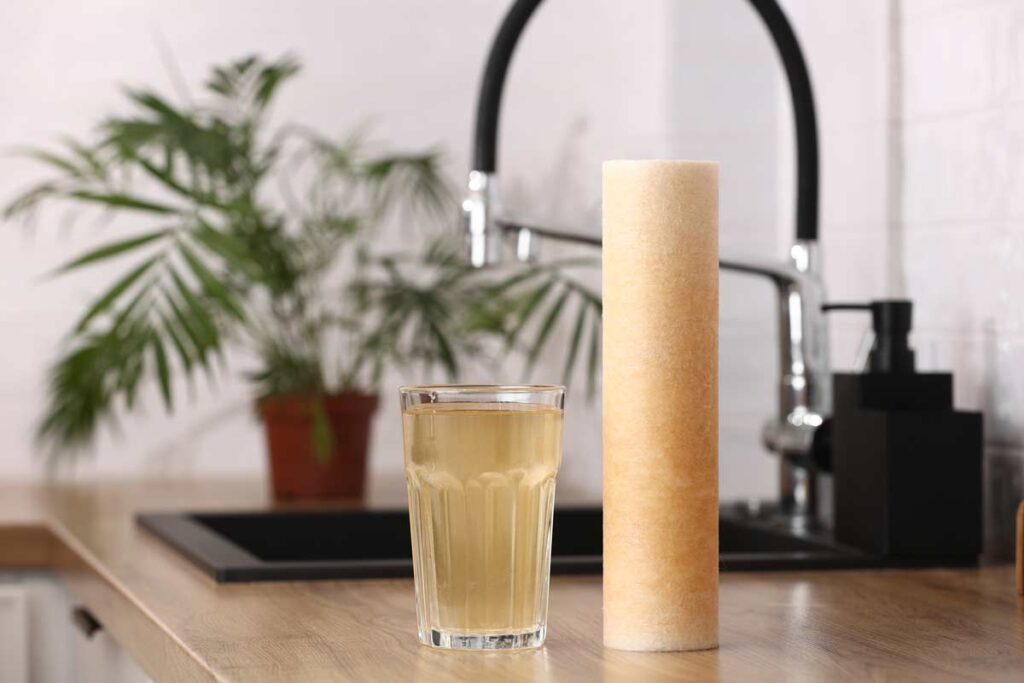
Iron is one of the most common well water issues for homeowners across New Jersey. While iron is a naturally occurring element and not considered a primary health threat at typical concentrations, it can cause significant water quality problems that affect daily life, plumbing systems, and household appliances. Many New Jersey residents first notice iron through rusty-colored water, metallic taste, or persistent staining on fixtures and laundry.
Because New Jersey relies heavily on private wells in rural and semi-rural areas, understanding how iron enters well water, how to test for it, and how to remove it properly is essential for maintaining safe, usable water in the home.
Why Is Iron So Common in New Jersey Well Water?
Iron is naturally present in New Jersey’s soil and bedrock. As groundwater moves through these iron-rich formations, it dissolves iron and carries it into private wells. The prevalence of iron in well water varies by region, but it is especially common in areas with older wells, shallow aquifers, or groundwater influenced by surface runoff.
Seasonal changes, well depth, and fluctuations in groundwater oxygen levels can all affect iron concentration. In many cases, iron problems develop gradually, which is why homeowners may not notice the issue until staining or odor becomes persistent.
Types of Iron Found in Well Water
- Ferrous iron (clear-water iron): Dissolved iron that is invisible when first drawn but turns reddish-brown after exposure to air.
- Ferric iron (red-water iron): Oxidized iron that gives water a rusty or cloudy appearance immediately.
- Iron bacteria: Microorganisms that feed on iron and create slime, odors, and biofilm buildup in plumbing.
How Iron Affects Your Home and Plumbing
Iron in well water is often more of a quality-of-life issue than a direct health concern, but the damage it causes can be extensive and expensive over time. Even low levels of iron can create noticeable problems throughout the home.
Iron reacts with oxygen and surfaces, leaving behind stains, buildup, and residue that are difficult to remove without specialized treatment.
Common Iron Water Problems in New Jersey Homes
- Rust-colored stains on sinks, tubs, toilets, and showers
- Orange or brown staining on laundry and dishware
- Metallic taste in drinking water
- Clogged pipes and reduced water pressure
- Damage to water heaters, dishwashers, and washing machines
Iron Bacteria in Well Water: A Hidden Issue
Iron bacteria are frequently misunderstood and often mistaken for chemical iron problems alone. These bacteria thrive in iron-rich groundwater and form slimy deposits inside pipes, pressure tanks, and toilet tanks. While iron bacteria are not known to cause disease, they can severely degrade water quality and system performance.
Homeowners often notice iron bacteria through musty odors, oily sheens on standing water, or recurring clogs that return even after cleaning. In New Jersey wells, iron bacteria can spread quickly once established, making early detection critical.
Health Effects of Iron in Well Water
At typical levels found in New Jersey wells, iron is not considered a serious health risk for most people. In fact, iron is an essential nutrient. However, excessive iron can cause secondary issues that affect health indirectly.
Iron bacteria and sediment buildup can promote bacterial growth, degrade water taste, and discourage proper hydration. For individuals with hemochromatosis or other iron metabolism conditions, elevated iron in drinking water may be a concern and should be addressed with medical guidance.
Testing for Iron in Well Water in New Jersey
Testing is the only reliable way to confirm iron levels and determine the correct treatment approach. Visual signs alone are not enough to distinguish between ferrous iron, ferric iron, or iron bacteria.
New Jersey homeowners should test their well water regularly, especially if they notice changes in color, odor, or staining.
What a Proper Iron Water Test Includes
- Total iron concentration (measured in mg/L or ppm)
- Iron type identification (dissolved vs. particulate)
- Bacteria screening if slime or odors are present
- pH and hardness, which affect filtration system selection
If you are experiencing staining, odors, or metallic taste, professional testing ensures you choose the correct solution rather than guessing. You can also explore other common well water problems affecting New Jersey homes to see how iron compares to other contaminants.
Iron Staining and Long-Term Water Damage
Iron staining is more than a cosmetic annoyance. Over time, iron residue hardens and embeds into porcelain, grout, and plumbing surfaces. Once stains set, they are difficult or impossible to remove without harsh chemicals.
Left untreated, iron buildup shortens the lifespan of appliances, reduces energy efficiency in water heaters, and increases maintenance costs across the home.
Iron Filtration Systems for New Jersey Homes
There is no one-size-fits-all solution for iron in well water. The correct filtration system depends on iron concentration, iron type, and the presence of iron bacteria or other contaminants.
Professional water treatment design ensures that iron removal is effective, reliable, and compatible with your well system.
Common Iron Filtration Solutions
- Oxidizing filters: Convert dissolved iron into particles that can be filtered out
- Air injection systems: Introduce oxygen to trigger iron oxidation
- Chemical-free iron filters: Designed for moderate iron levels without additives
- Chlorination and filtration: Used for iron bacteria control
Many New Jersey homeowners benefit from whole-house iron filtration systems that protect plumbing, appliances, and drinking water simultaneously. You can learn more about professional water treatment options designed for private wells.
Why DIY Fixes Often Fail
Store-bought filters, softeners, and temporary fixes rarely solve iron problems long term. In many cases, improper treatment makes the problem worse by spreading iron bacteria or clogging plumbing faster.
Without accurate testing and system sizing, homeowners may spend more money on repeated repairs than they would on a properly designed solution from the start.
When to Take Action on Iron in Well Water
If you notice persistent staining, metallic taste, odor, or reduced water pressure, iron is likely present at levels that require treatment. Early intervention prevents costly plumbing damage and improves everyday water quality.
Even if your water appears clear, dissolved iron may still be present and causing gradual buildup inside pipes.
Get Professional Help with Iron in Well Water
Iron problems in New Jersey wells are common, but they are also highly manageable with the right approach. Accurate testing, proper system design, and professional installation are the keys to long-term results.
If you suspect iron in your well water or want to confirm your water quality, get a free estimate to identify the issue and determine the right filtration system for your New Jersey home.
