Livingston Homeowners Protect Their Investment at Every Level. Their Drinking Water Deserves the Same Standard.
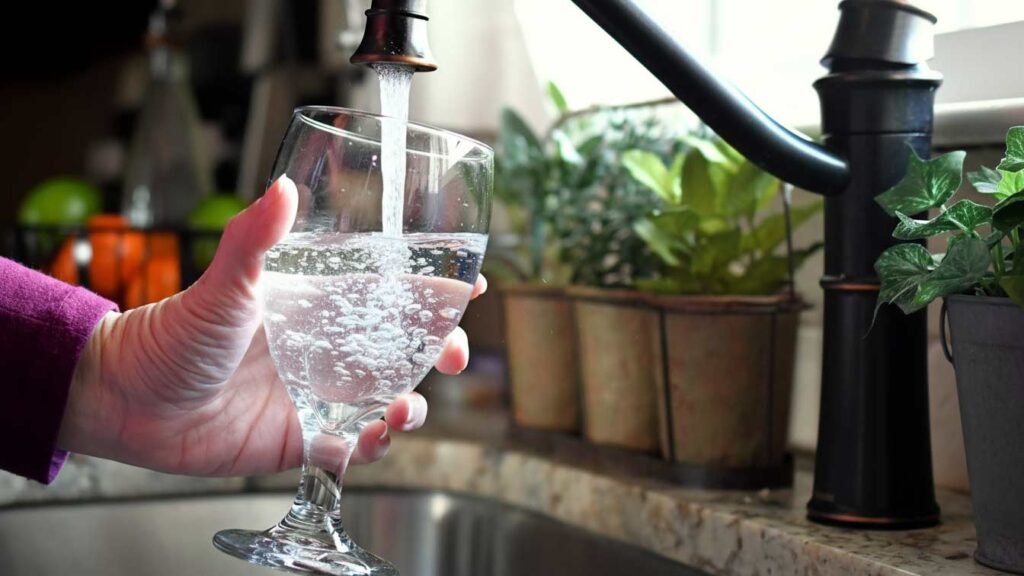
Livingston is a community where quality expectations are consistently high — and where the details of home maintenance get attention. Water quality at the drinking water tap tends to be the gap. Essex County’s municipal supply delivers chloramine disinfection byproducts to every home on the network, PFAS compounds have been documented in portions of the regional water system, and in Livingston’s mid-century housing stock, lead solder at interior pipe joints introduces dissolved lead into drinking water that no service-side improvement addresses. A reverse osmosis installation under the kitchen sink removes these contaminants at the specific point where water is ingested — more effectively than any other widely available household technology.
For Livingston homeowners who’ve already addressed hard water with a water softener or improved whole-home quality through water filtration, reverse osmosis at the drinking tap is the final layer that completes a comprehensive water quality approach.
The Drinking Water Concerns That Essex County’s Treatment Process Leaves Unresolved
Essex County’s water is treated to meet New Jersey DEP and federal Safe Drinking Water Act standards before entering distribution. Treatment is effective at its intended targets — bacterial contamination, turbidity, certain regulated contaminants. What it doesn’t eliminate are the byproducts of its own disinfection chemistry. Chloramine produces trihalomethanes and haloacetic acids that travel with treated water to every home on the network. A reverse osmosis system’s carbon pre-filter stage addresses these compounds before water even reaches the membrane, providing purification at the drinking water tap that a pitcher filter or whole-home carbon system alone doesn’t match.
PFAS has been documented in portions of the Essex County water system from historical industrial sources. Plant-level compliance doesn’t reflect conditions at a specific tap in a specific older home — and reverse osmosis is the most reliable household-level technology for PFAS removal regardless of what upstream treatment achieves. Lead from interior plumbing in Livingston’s established neighborhoods adds the third layer: a contaminant that no municipal treatment program addresses inside the home. Nearby West Orange, Short Hills, Millburn, and Roseland homeowners face the same combination of Essex County water quality concerns and aging housing stock.
What Reverse Osmosis Removes From Livingston Drinking Water
| Contaminant | Source in Essex County | Reverse Osmosis Effectiveness |
|---|---|---|
| PFAS compounds | Historical industrial sources in Essex County | High — membrane blocks most PFAS compounds |
| Lead | Pre-1986 interior plumbing and solder | High — removes dissolved lead at point of use |
| Chloramine and THMs | Municipal disinfection byproducts | High — carbon pre-filter plus membrane |
| Nitrates | Watershed agricultural inputs | High — membrane removes nitrates effectively |
| Dissolved solids and metals | Regional geology; aging infrastructure | High — broad spectrum dissolved solid removal |
What Reverse Osmosis Installation Includes for Livingston Homes
We install under-sink reverse osmosis systems connected to the cold water supply line beneath the kitchen sink, delivering purified water through a dedicated faucet at the counter. We work with quality systems including Hague Water — a brand with a strong track record in New Jersey water conditions — configured for the household’s drinking and cooking demand. Installation includes:
- Water quality review to confirm which contaminants the system needs to address
- System selection matched to your specific water profile and under-sink configuration
- Professional installation including supply connection, drain line, storage tank, and dedicated counter faucet
- Post-installation flow rate verification and system testing
- Full walkthrough of filter and membrane replacement schedule
What Reverse Osmosis Installation Costs in Livingston
Reverse osmosis installation in Livingston typically ranges from $2,500 – $8,000+ depending on system configuration and installation complexity. A standard four-stage under-sink system falls toward the lower end. Systems with remineralization, UV disinfection, or expanded storage capacity run higher. Older Livingston homes with limited under-sink space or complex plumbing beneath the kitchen sink may require additional configuration that affects the total. Ongoing costs are low — membrane replacement every 2–3 years, pre- and post-filter cartridges every 6–12 months.
Serving Livingston and Surrounding Essex County Communities
We install reverse osmosis systems throughout Livingston and across Essex County, including West Orange, Short Hills, Millburn, and Roseland. Our full New Jersey service area covers communities statewide. For context on what a water test typically reveals in Livingston, our testing page covers the specific contaminant profile for this part of Essex County.
Frequently Asked Questions — Reverse Osmosis Installation in Livingston, NJ
Do I need reverse osmosis if I already have a whole-home water filter?
A whole-home carbon filter improves water quality throughout the house — shower water, laundry, and drinking water alike. Reverse osmosis provides a significantly higher level of purification specifically at the drinking and cooking water tap, removing contaminants like PFAS, lead, and nitrates that carbon filtration alone doesn’t address reliably. For Livingston homeowners who want the highest available standard of drinking water quality, reverse osmosis under the kitchen sink is the appropriate addition to an existing whole-home system.
Is lead a real concern in Livingston’s older homes?
Yes. Homes built before 1986 in Livingston’s established neighborhoods commonly have lead solder at interior pipe joints — standard construction practice of that era. The water arrives at the home lead-free from the distribution system. Whether it stays that way depends on what the interior plumbing is made of. A first-draw test at the kitchen faucet tells you whether lead is reaching the tap, and a reverse osmosis system removes it at that specific point if it is.
Does softened water affect reverse osmosis membrane performance?
Positively, in most cases. Softened water reduces the mineral load the membrane has to handle, which extends membrane life and maintains consistent flow rates. When a water softener and a reverse osmosis system are both installed, the softener is configured upstream — treating the water first — and the reverse osmosis unit refines it further at the point of use. The two systems are complementary, not redundant.
How long does installation take?
Most Livingston under-sink reverse osmosis installations are completed in 2–3 hours. We give you a clear timeline before scheduling based on your kitchen plumbing configuration.
How often do filters and the membrane need replacing?
Pre-filters and post-filters every 6–12 months. The reverse osmosis membrane every 2–3 years under normal household usage. We walk through the complete maintenance schedule at installation and offer ongoing filter replacement service.
Schedule Your Livingston Reverse Osmosis Consultation
If your Livingston home has never had its drinking water addressed beyond a pitcher filter on the counter — or if a test has confirmed PFAS, lead, or byproduct concerns worth acting on — a reverse osmosis installation under the kitchen sink is the most targeted and effective solution available. We serve Livingston and all of Essex County. Call us at (732) 357-1988 or schedule a consultation online.