 New Jersey sits on a geology that naturally produces hard water in much of the state. As groundwater moves through limestone, sandstone, and other calcium- and magnesium-rich rock formations, it dissolves those minerals and carries them into the water supply. Homes on private wells draw water directly from aquifers that reflect the local geology, which is why hardness levels can vary significantly from one municipality to the next or even between neighboring properties. Municipal water systems in New Jersey are required to treat water to safe drinking standards, but hardness is not classified as a health contaminant under federal or state regulations, so most utilities do not soften water before distribution. The result is that hard water reaches taps throughout the state regardless of whether a home is on well water or city water.
 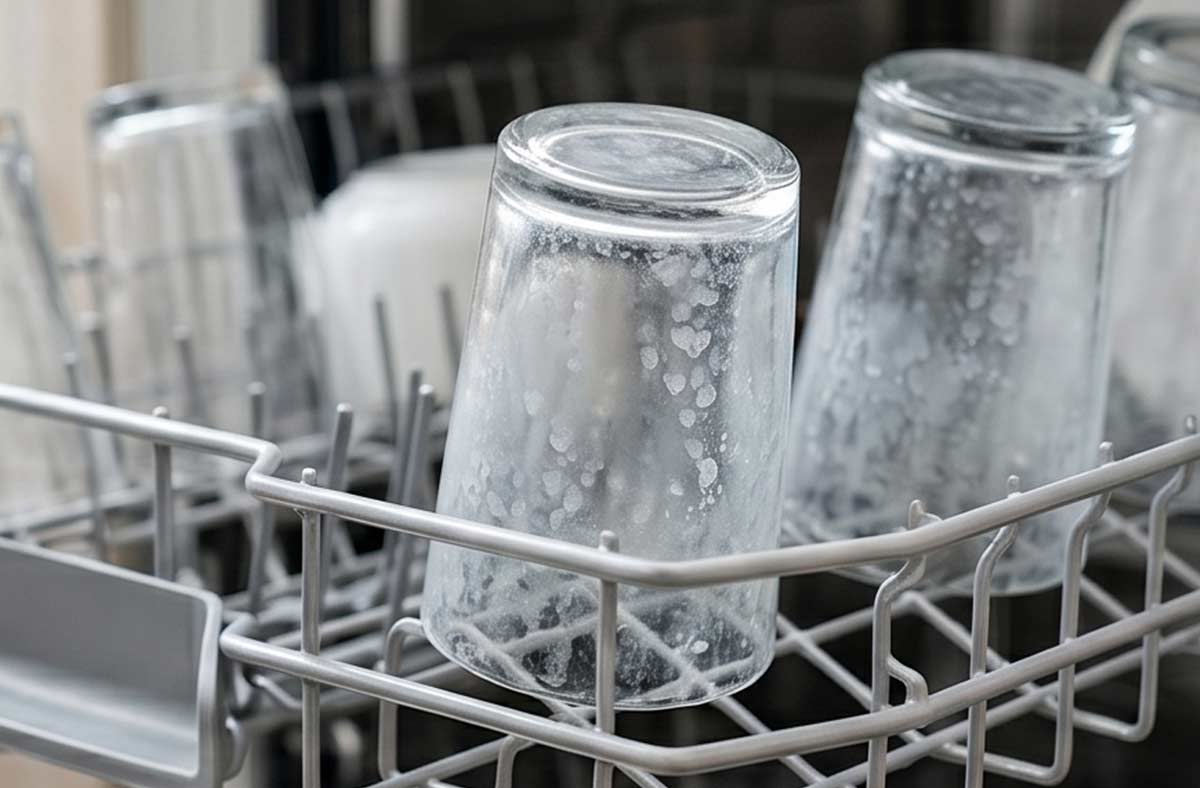 Hard water is one of the most common and underestimated water quality issues in New Jersey homes. It forms when water picks up calcium and magnesium minerals as it moves through rock and soil before reaching your tap. While hard water is not a health risk, the problems it creates are real and progressive. Scale deposits accumulate inside pipes, narrowing flow over time and increasing the pressure your water heater and appliances must work against. Soaps and detergents lose lathering efficiency in hard water, leaving behind residue on skin, hair, laundry, and surfaces. Dishes and glassware emerge from the dishwasher cloudy and spotted. Bathroom grout, showerheads, and faucet aerators collect white crusty buildup that becomes harder to remove the longer it is left. The hidden cost is in appliance lifespan and energy bills: a water heater working against scale buildup can consume significantly more energy and fail years ahead of schedule.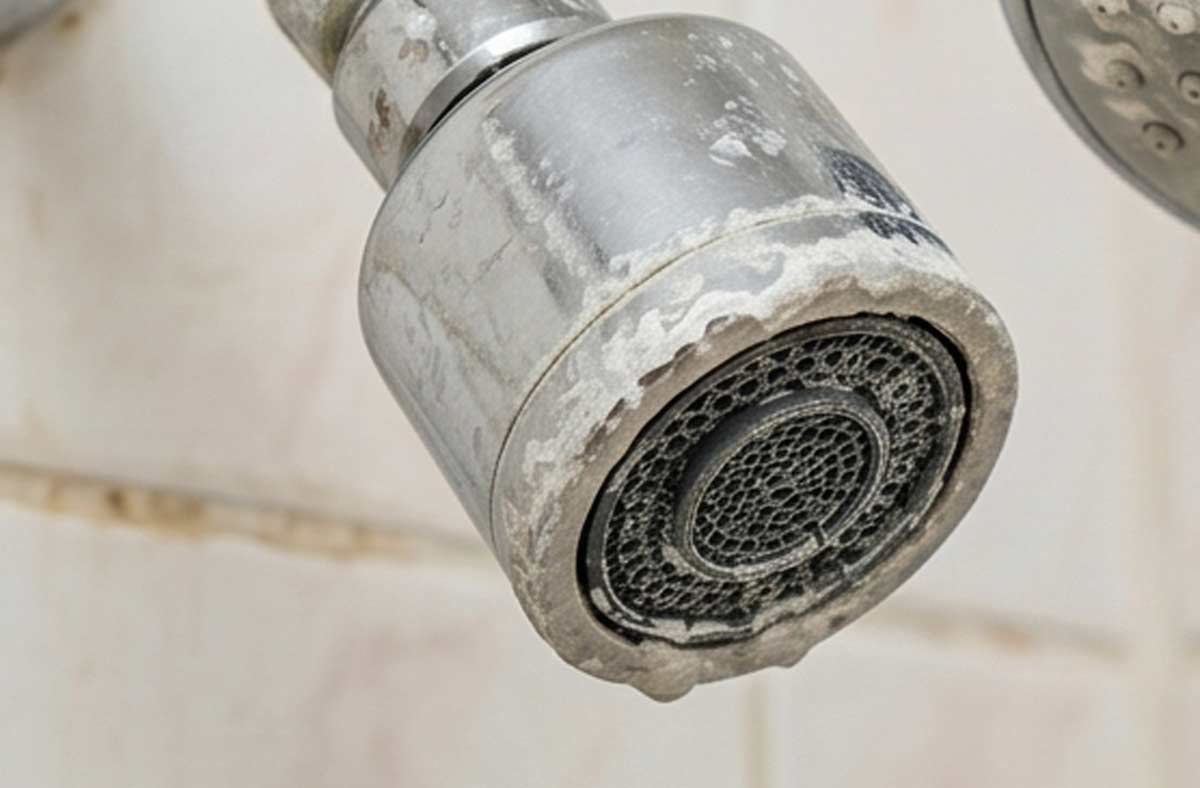
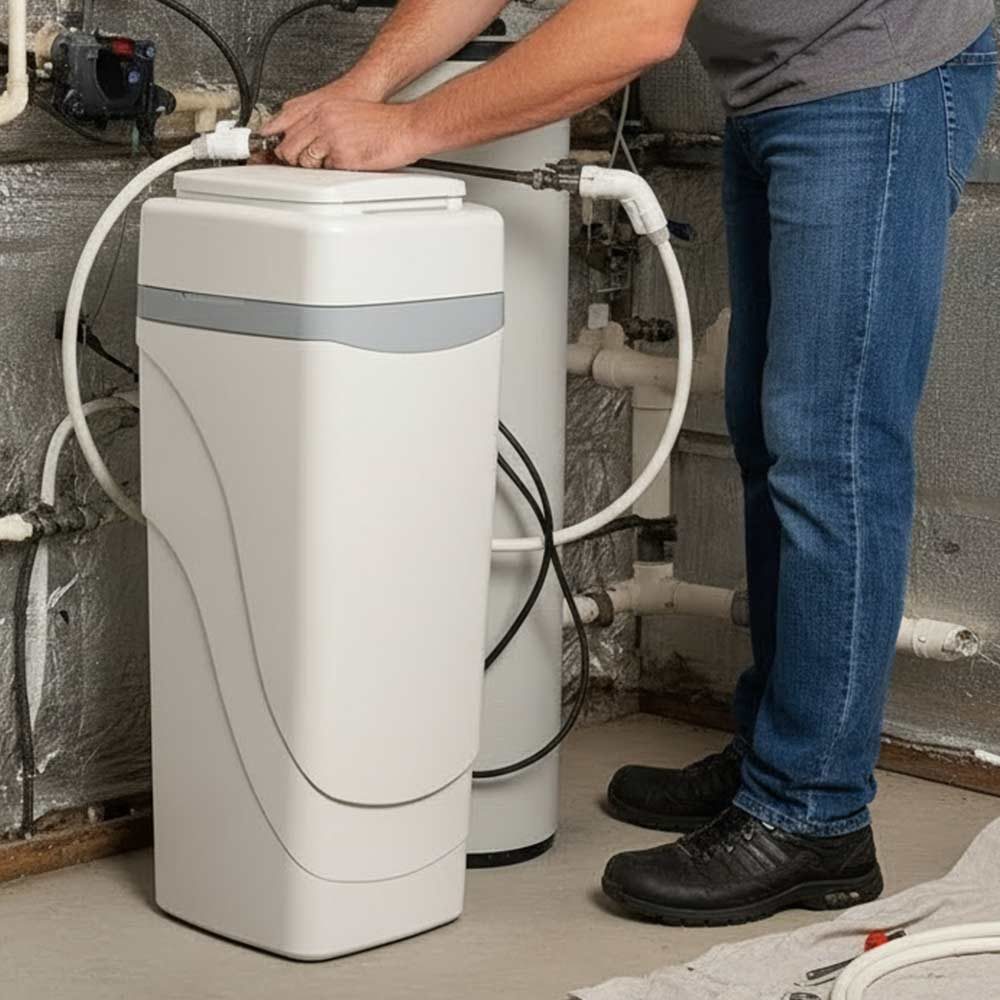
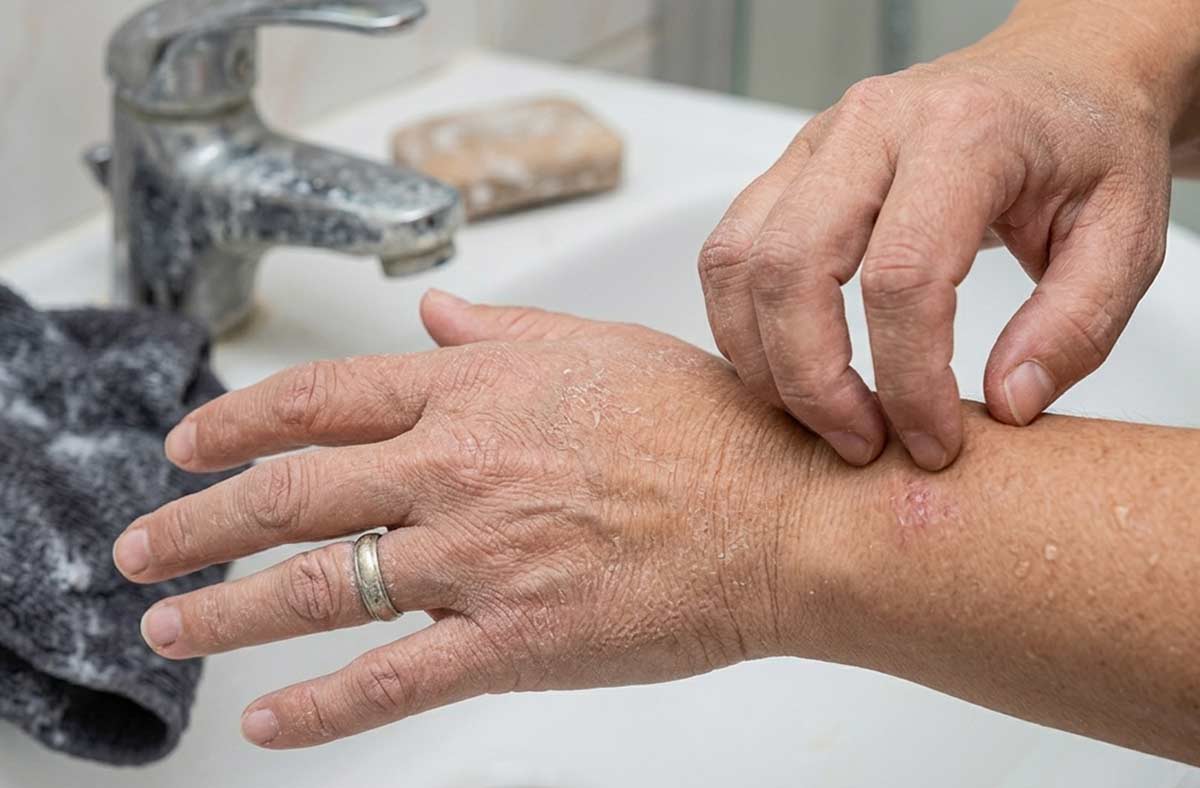
Many New Jersey homeowners first recognize hard water problems when their water softener system stops working properly. White or yellowish mineral deposits around faucets, showerheads, sinks, and fixtures are common signs that hardness minerals are no longer being removed effectively. Dry skin after showering, dull-looking hair, soap that struggles to lather, stiff laundry, and cloudy dishes from the dishwasher can all indicate that a water softener may need professional repair or maintenance.
In some cases, the signs are less obvious at first. A malfunctioning water softener can allow scale buildup to slowly accumulate inside pipes, water heaters, dishwashers, and other plumbing components. Homeowners may notice reduced water pressure, increased spotting on fixtures, higher energy usage from water heating equipment, or recurring mineral buildup despite regularly adding salt to the system. These symptoms often point to issues with the regeneration cycle, resin bed, brine tank, control valve, or other internal components.
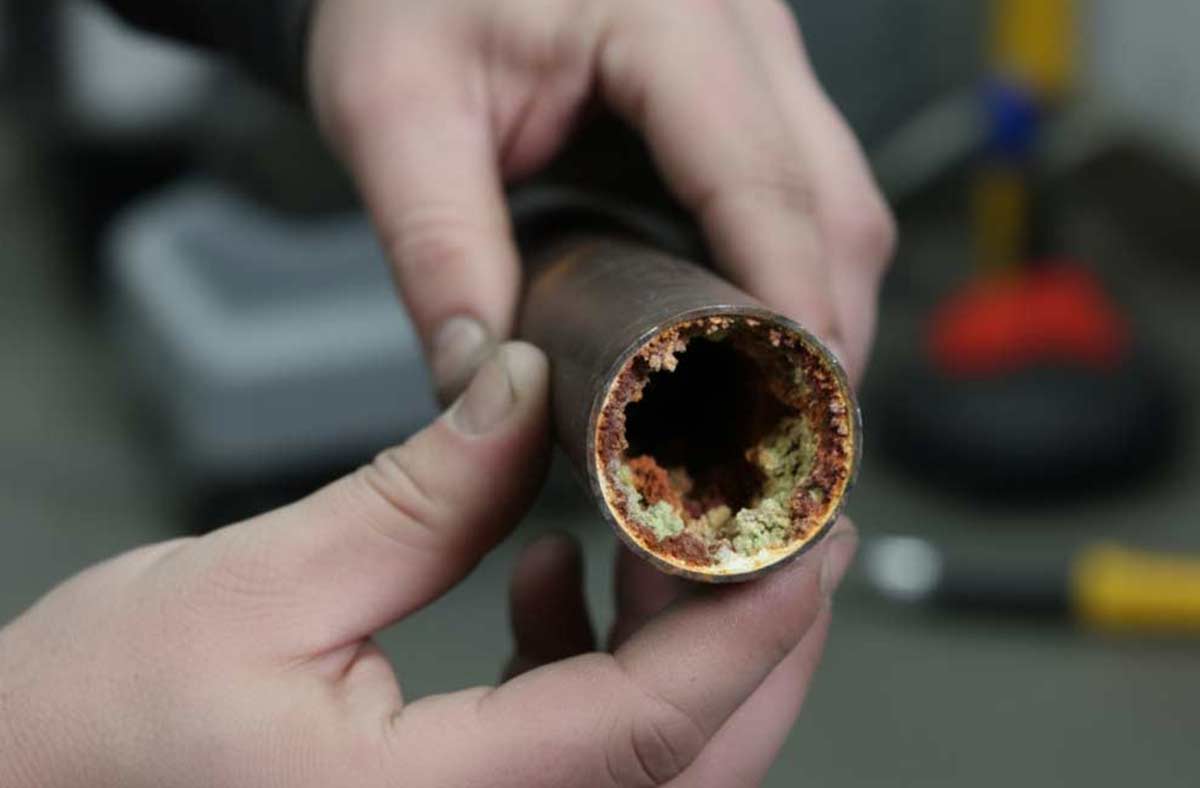 The damage hard water causes is slow but cumulative. Inside pipes, mineral scale builds up along interior walls the same way cholesterol narrows arteries. Over years, this restricts water flow, increases pressure stress on joints and valves, and creates conditions that accelerate corrosion in older metal pipes. Water heaters are especially vulnerable: the heating element or burner at the bottom of the tank is where scale accumulates most rapidly, forcing the unit to work harder and longer to reach the set temperature. Studies have shown that water heaters operating in hard water conditions can lose a significant portion of their efficiency within a few years without treatment. Dishwashers, washing machines, ice makers, and coffee makers all share the same vulnerability. Scale clogs internal valves and spray nozzles, causes premature seal failure, and shortens the useful life of equipment that was designed to last a decade or more. Addressing hard water with a properly sized softener before these problems develop is almost always less expensive than replacing the damaged equipment.