Yes, and this is one of the more important things to understand about radon-in-water treatment. A system can fail quietly, with nothing about the water itself signaling that anything has changed.
Why the Water Gives No Warning
Radon has no taste, odor, or color, which means a system that’s stopped removing it effectively won’t produce any noticeable change in the water. Appearance and normal use give no indication either way, no matter how carefully you’re paying attention.
| Signal People Look For | Whether It Reflects Radon Removal |
|---|---|
| Taste | No, radon has no taste |
| Smell | No, radon has no odor |
| Clarity | No, radon doesn’t affect appearance |
| Water test result | Yes, the only reliable indicator |
How Equipment Fails Without Anyone Noticing
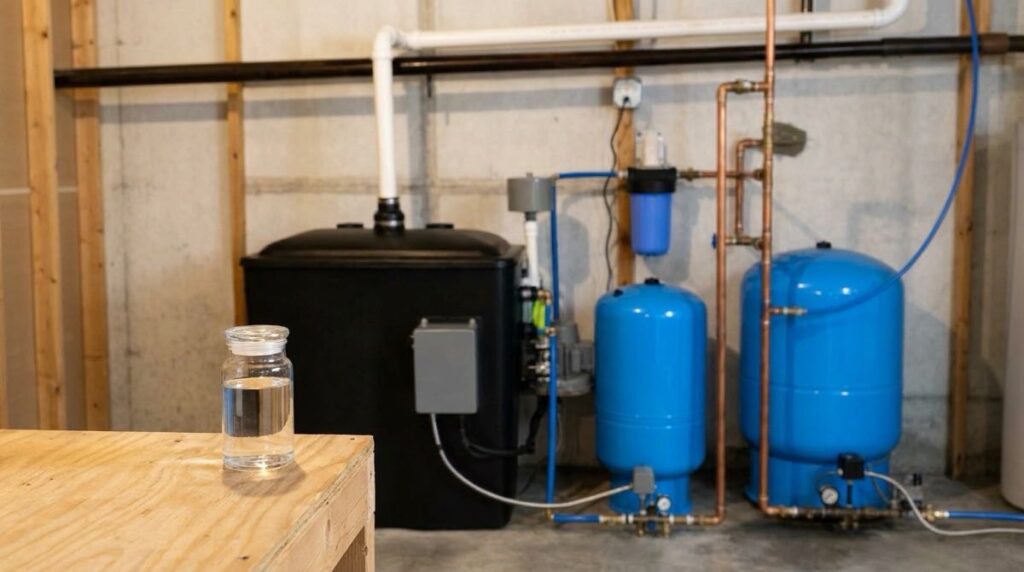
A weakened blower, a partially clogged spray nozzle, or a pump losing efficiency can all reduce treatment performance without producing symptoms a homeowner would notice during daily use. These components can degrade gradually rather than failing outright.
Performance can decline slowly over time without triggering an obvious alarm or noticeable malfunction. That’s exactly what makes this kind of failure harder to catch than a leak or a strange noise would be.
Why Looking at the System Isn’t Enough
Looking at a system and seeing it run doesn’t confirm it’s still removing radon at the rate it was designed to. Only a water test measures that directly.
Using follow-up testing to verify system performance is the only reliable way to catch a decline before it becomes a longer-term exposure issue. How aging components can affect an aeration system means older or poorly maintained equipment carries a higher risk of this kind of silent decline than a well-maintained system does.
Testing Is the Best Check on Invisible Performance
Can a radon aeration system fail without obvious warning signs? Yes, which is exactly why testing matters more than appearance. Jersey Radon and Water Treatment’s approach to radon-in-water treatment includes verifying performance through testing rather than relying on whether a system appears to be running normally. Contact us if you’re concerned about a system’s performance.
