
If you’ve tested your New Jersey home for radon and the results are sitting in a folder somewhere, that piece of paper carries more legal weight than most sellers realize. New Jersey doesn’t require you to test. It does require you to hand over the results if you already have them, the moment a buyer signs a contract.
That distinction, tested versus disclosed, is where most confusion starts. It’s also where sellers run into trouble they didn’t see coming.
What New Jersey Law Actually Requires From Sellers
Under New Jersey regulation N.J.A.C. 7:28-27.3, a seller who has tested a home for radon must give the buyer a copy of those results at the time the contract of sale is signed. If the home was mitigated, the seller has to hand over evidence of that mitigation too. This isn’t a suggestion buried in a real estate handbook. It’s a state requirement, and it applies the moment a test exists, whether the result was good or bad.
The radon mitigation side of this often gets treated as a separate issue from disclosure. It isn’t. If a system was installed at any point, that record follows the sale.
What NJ Law Does Not Require
Here’s the part that surprises a lot of sellers: New Jersey does not require you to test for radon before selling, and there’s no state mandate forcing a test as a condition of closing. The NJ Department of Environmental Protection recommends testing, but recommending and requiring are different things.
Most buyers test anyway, usually as part of a home inspection contingency. But the legal obligation to disclose only kicks in if a test already happened. A seller who has never tested has nothing to disclose on this front, at least not in the strict legal sense.
| Requirement | What NJ Law Says |
|---|---|
| Testing before sale | Not required by law |
| Disclosing existing test results | Required at contract of sale, N.J.A.C. 7:28-27.3 |
| Disclosing mitigation records | Required alongside any related test results |
| Seller’s Property Condition Disclosure Statement | Includes a radon question, but is not itself the legal trigger for disclosure |
Why the Distinction Trips Up So Many Sellers
A seller who tested five years ago and forgot about it is still on the hook to produce those results if a buyer asks, or if the seller signed a disclosure statement referencing them. Selling as-is doesn’t remove this obligation. New Jersey case law has already established that sellers can be liable for silence, not just false statements, when it comes to known conditions that matter to a buyer’s decision.
The safest position for a seller isn’t avoiding a test to dodge the disclosure requirement. It’s knowing what a failed test actually means and handling it before it becomes a negotiation problem at the closing table.
What Happens If a Seller Skips This
If a seller knew about elevated radon levels, had test results in hand, and didn’t turn them over, that’s not a paperwork oversight. A buyer who discovers this after closing has grounds to pursue damages, and New Jersey courts have sided with buyers in cases involving concealed material defects. Radon fits squarely into that category once it’s documented.
This is why real estate attorneys in New Jersey routinely advise sellers to get ahead of it rather than hope the topic never comes up.
What a Seller Should Gather Before Listing
If your home has any radon history, whether that’s a clean test, a failed one, or a mitigation system installed years ago, pull the paperwork together before you list. That means:
- Any radon test reports, regardless of the result or how old they are
- Installation records or invoices for a mitigation system, if one exists
- Documentation showing the system has been maintained or serviced
- A copy of what’s been entered on the Seller’s Property Condition Disclosure Statement regarding radon
Buyers and their agents increasingly know to ask for this. Having it ready, rather than scrambling once a contract is signed, keeps the transaction moving instead of stalling it.
How Jersey Radon Helps Sellers Get Ahead of Disclosure
A radon disclosure obligation is only a problem when there’s nothing solid behind it. Sellers who understand what they have, and who address a high result before it shows up in someone else’s inspection, tend to have smoother closings and fewer last-minute negotiations.
- Radon testing for homeowners preparing to list
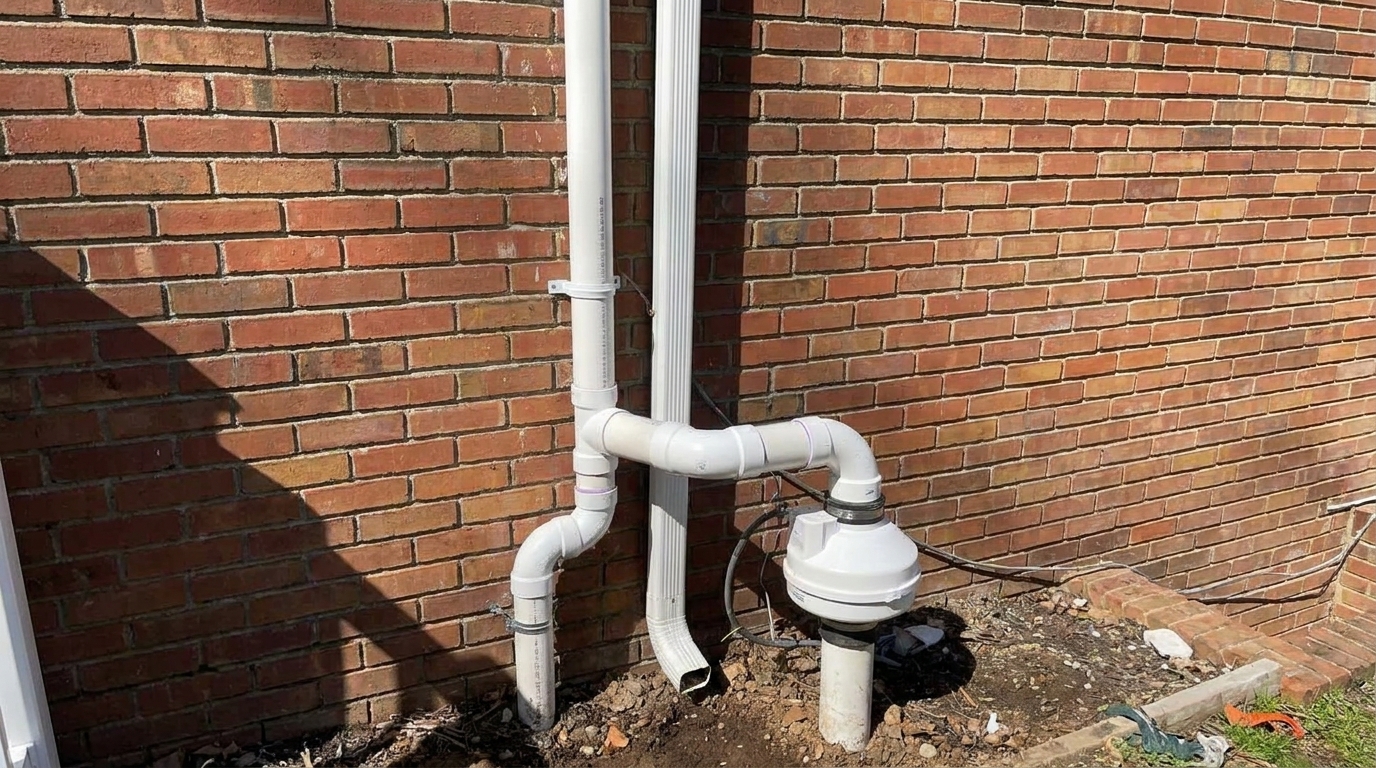
- Mitigation system installation for homes testing above the EPA action level
- Documentation support for existing systems, including service history
- Guidance on what New Jersey law does and doesn’t require in your specific situation
A radon disclosure obligation only becomes a liability when a seller is caught without answers. If you’re not sure what your home’s radon history looks like, or you know there’s an issue and want it handled before it complicates a sale, contact us to talk through your options.
