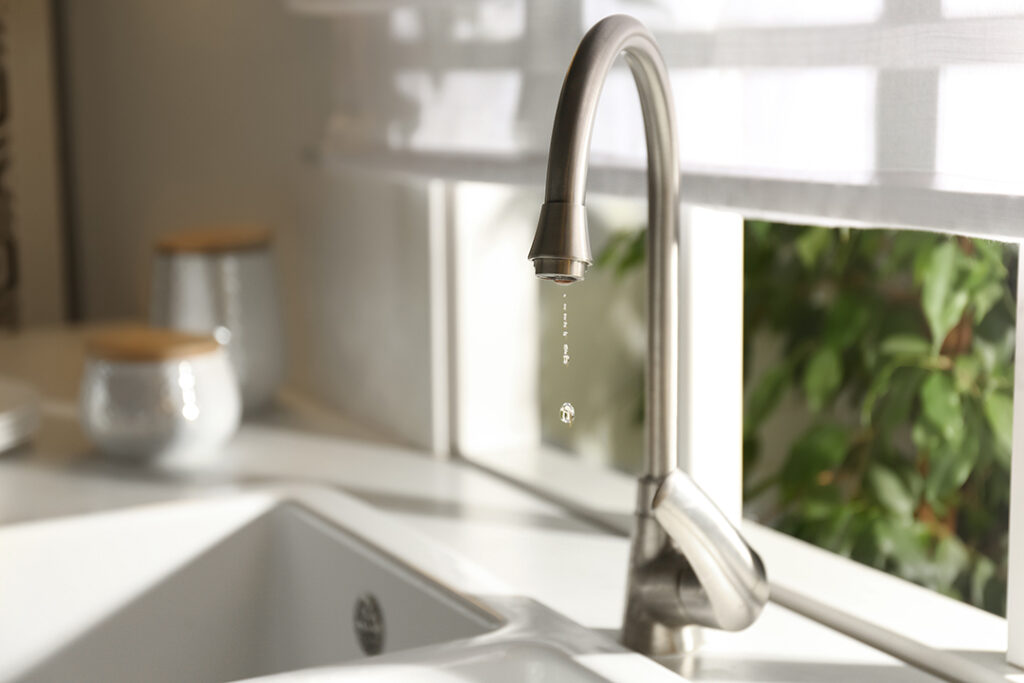
The well has been sitting untouched for six months. The pipes have been empty or stagnant since October. The pressure tank, water softener, and filtration equipment have been idle through the winter. You arrive in May ready to open the property, and the first thing out of the tap looks wrong, smells wrong, or both.
Seasonal and vacation properties in New Jersey create water quality challenges that year-round homes don’t face. Understanding what happens to a well system during extended vacancy, and what needs to happen before the water is safe to drink again, makes the seasonal opening safer and far less frustrating.
What Changes in a Well System During Extended Vacancy
A private well draws from groundwater, and that water is never completely static. But the pipes, pressure tank, and treatment equipment connected to the well are a different story. When a home sits unused for months, that system goes without flow, without regeneration cycles, and without the regular use that keeps water moving and equipment functioning.
Private well owners in New Jersey are fully responsible for monitoring their own water quality. The U.S. Environmental Protection Agency recommends testing well water at least annually, and seasonal properties, because of the extended vacancy and stagnation involved, warrant testing at the start of each season rather than just once a year.
During an extended closure, several things happen inside the system:
- Stagnant water in pipes creates conditions favorable to bacterial growth, including sulfur bacteria and coliform organisms
- Hydrogen sulfide gas can build up in the water system, producing a rotten egg or sulfur smell when taps are first opened
- Iron and manganese particles that are normally kept in suspension settle out, then get stirred up when water starts moving again
- Iron bacteria, if present in the well, can form a visible orange or brownish biofilm inside plumbing during low-flow periods
- Water softener resin can develop issues if the system has been sitting without regenerating for an extended period
- UV purification lamp life continues to count down regardless of whether the system has been actively treating water
In most cases these problems originate inside the home’s plumbing and equipment, not in the aquifer itself. That doesn’t make them less important to address before the water is used for drinking, cooking, or bathing.
The Water Problems Most Likely to Appear on Opening Day
The complaints NJ seasonal property owners most commonly encounter on reopening follow predictable patterns.
A rotten egg or sulfur smell is the most frequently reported issue. Sulfur bacteria thrive in stagnant, low-oxygen environments. After months without flow, they can establish themselves in the water system and produce hydrogen sulfide gas that makes the water smell immediately unpleasant. In many cases the odor clears after a thorough flushing of the lines. In others, shock chlorination is necessary to eliminate the bacteria at the source.
Brown, orange, or rust-colored water is the second most common issue on reopening. Settled iron and manganese particles get stirred up when flow resumes, and the first several minutes to hours of water can run visibly discolored. Running the lines thoroughly usually resolves this, but it signals that iron levels in the water are worth confirming with a test.
A slippery or slimy film in the toilet tank, around fixtures, or visible inside pipes points to iron bacteria activity. These organisms are not a direct health threat, but they degrade water quality and can clog filtration media and softener resin if not addressed before the season begins.
Reopening a Seasonal Water System the Right Way
A proper seasonal opening isn’t simply running the taps until the water looks clear. The sequence matters, particularly when a full water treatment setup is involved.
For most NJ seasonal properties on private wells:
- Restore water service and check the pressure tank for proper pre-charge pressure before running any fixtures
- Flush all cold water lines thoroughly, starting from the point closest to the pressure tank and working outward to each fixture
- Flush hot water lines by running each fixture long enough to pull fresh water through the water heater
- Check the water softener salt level and manually initiate a regeneration cycle before putting the softener back into service
- Inspect any UV purification system and replace the lamp if it has reached or approached the end of its rated service life
- Backwash iron filters or other media-based systems according to the manufacturer’s reopening guidelines
After flushing and equipment checks, testing the water is the most important step. A seasonal reopening test should include coliform bacteria and nitrates at minimum, plus any contaminants known to be elevated in the area. Do not rely on the water looking and smelling clear as confirmation that it is safe. Coliform bacteria and other contaminants have no color, no odor, and no taste. Professional water testing is the only reliable way to confirm the water is suitable for use before the season begins.
Water Treatment Equipment and Seasonal Considerations
Treatment systems in a seasonal property require specific attention that year-round equipment doesn’t need to the same degree.
UV purification systems are the most time-sensitive piece of equipment to check at opening. The lamp inside a UV system degrades continuously regardless of actual use, and most lamps are rated for approximately one year of service. A lamp that was at mid-life when the property was last closed may have reached the end of its effective lifespan over the winter. A UV system running with a degraded lamp provides inconsistent or no protection against bacteria — which is precisely the risk that’s highest when reopening a property after an extended vacancy. UV water purification is only effective when the system is properly maintained.
Water softeners that sit idle for months without regenerating can develop salt bridges in the brine tank, and in iron-heavy water conditions, fouling of the resin bed. Running a manual regeneration cycle on opening, checking salt levels, and doing a visual inspection of the brine tank handles most concerns. If the system was not properly prepared before closing, a service call before putting it back into use is the safer approach.
Iron filters and other media-based systems should be backwashed before the property is put back into regular service. Media can compact during long idle periods, which reduces treatment effectiveness without producing any visible sign that something has changed.
Preparing the Water System Before Closing for the Season
What happens at closing directly affects what you find at opening. Properties that are properly prepared before seasonal closure have fewer water quality problems the following spring.
Key steps before a seasonal shutdown:
- Test the water before closing, not just on reopening, to establish a clean baseline for the next season
- Top off the water softener salt and run a manual regeneration before shutting the system down
- Note the UV lamp installation date so you know whether it will need replacement when the property reopens
- Consider a shock chlorination treatment before closing if bacterial issues were present during the season
- Work with a licensed plumber to properly drain lines and blow out the system in properties where pipes are at freezing risk
A few hours of preparation before closing prevents the more disruptive and expensive problems that tend to appear at the start of the following season.
How Jersey Radon Supports NJ Seasonal Property Owners
Jersey Radon provides water testing and water treatment services throughout New Jersey, including seasonal and vacation properties on private wells. We understand the specific water quality challenges that extended vacancy creates and can help property owners build a treatment approach that fits how the home is actually used.
We work with seasonal property owners who need:
- Water testing at opening to confirm safety before the season begins
- UV lamp replacement and seasonal treatment equipment inspections
- Water softener service and evaluation after extended idle periods
- Treatment recommendations for properties dealing with recurring bacterial, iron, or odor problems that return each spring
If you have a seasonal or vacation property in New Jersey with a private well and want to start the season with confidence in the water quality, contact Jersey Radon for a free estimate. We can test the water, assess the treatment equipment, and make sure everything is working correctly before the property is put back into regular use.
