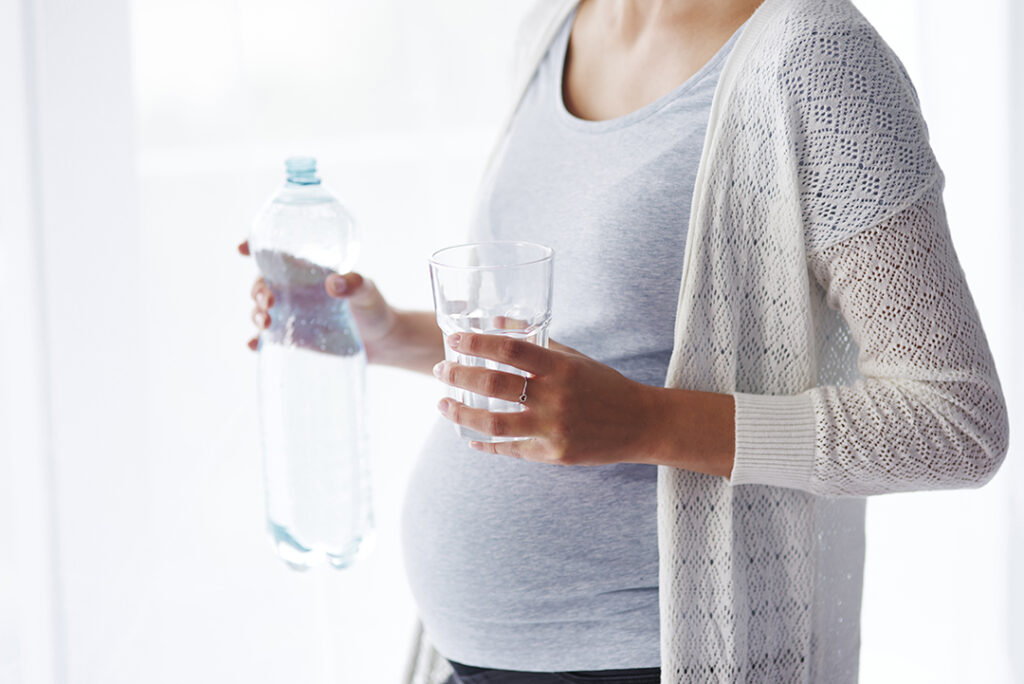
Most parents spend months preparing for a new baby. Car seats, safe sleep guidelines, pediatrician research. Water quality rarely makes the list — but for families on private wells in New Jersey, it should.
Unlike municipal water, which is tested and treated before it reaches the tap, private well water receives no routine government oversight. What comes out of the well is what the household drinks. For most adults, contaminants at moderate levels carry manageable risk. For infants, particularly those under six months, some of those same contaminants pose risks that are meaningfully more serious.
Why Private Well Water Poses Specific Risks to Infants
The issue isn’t that well water is inherently unsafe. Millions of families across New Jersey use private wells without problems. The issue is that infants are physiologically different from adults in ways that change how certain contaminants affect them.
An infant’s kidneys are not fully developed. Their blood volume is smaller. They consume more water per pound of body weight than adults, particularly when formula is being prepared with tap water. The neurological, cardiovascular, and immune systems still forming in the first months of life are significantly more sensitive to chemical disruption than those of a fully developed adult.
Several contaminants regulated specifically because of their effects on children are worth understanding in detail for well water families.
Nitrates and the Acute Risk They Pose to Babies Under Six Months
Nitrates are colorless, odorless, and tasteless in water. There is no way to detect them without testing. For infants under six months, elevated nitrate levels in drinking water can cause methemoglobinemia, sometimes called blue baby syndrome, a condition in which blood loses its ability to carry oxygen effectively.
The EPA’s maximum contaminant level for nitrates is 10 milligrams per liter. At levels above that threshold, health authorities recommend not using the water for infant formula or any direct infant consumption until the problem is treated.
In New Jersey, nitrate contamination in private wells is most common in agricultural areas and communities with aging or malfunctioning septic systems. Farms, fertilized lawns, and golf courses contribute to the nitrate load in surrounding groundwater. Families in rural parts of Hunterdon, Salem, Cumberland, and Burlington counties are among those with the highest likelihood of elevated nitrate levels.
Nitrates can be removed. Reverse osmosis and ion exchange are both effective at the point of use. A standard carbon filter or whole-house system does not remove nitrates, which is why testing before selecting any treatment approach is the right starting point.
Lead and Arsenic Carry Developmental Risks With No Safe Threshold
Both lead and arsenic are classified as contaminants with no established safe level of exposure for children. The risks are cumulative and long-term rather than immediately visible, which makes them easy to overlook when no obvious symptoms appear.
Lead in private well water most often originates in the plumbing rather than the well itself. Older fixtures, lead solder in copper pipe joints, and lead connections can leach into water that sits in pipes, particularly when the water is acidic. Acidic water is a common characteristic of New Jersey well water in certain geologic areas. Infants fed formula prepared with lead-contaminated water face documented risks to neurological development, including effects on cognitive function.
Arsenic in New Jersey groundwater is largely a naturally occurring problem. The bedrock geology of the Highlands and Piedmont regions contains naturally elevated arsenic concentrations that leach into private wells. Long-term exposure in infants and young children is associated with developmental effects. Testing and arsenic removal is particularly important for families in Morris, Hunterdon, Somerset, and Warren counties.
PFAS and Bacteria Are Two More Reasons to Test Before the Baby Arrives
PFAS, per- and polyfluoroalkyl substances, are synthetic chemicals found in groundwater across New Jersey, including in private wells. New Jersey has established some of the most stringent PFAS standards in the country, and research into their effects on infant health, including immune system development and vaccine response in early childhood, is ongoing. PFAS removal requires reverse osmosis or specialized filter media. Standard carbon filtration and water softening do not address PFAS.
Coliform bacteria and E. coli should be absent from a private well supply. Bacterial contamination can enter through a cracked casing, flooding, surface water intrusion, or a nearby septic issue. For healthy adults, low-level bacterial contamination typically causes gastrointestinal illness. For infants, whose immune systems are not yet fully developed, the threshold for serious illness is lower. Annual bacterial testing is the baseline standard for private wells, with additional testing after any flooding, well repair, or unexplained change in water quality.
What to Test for and When to Do It
The most practical time to establish a baseline is before the baby arrives, ideally in the third trimester. A comprehensive test for well water families expecting or caring for a baby should include:
- Nitrates — the most acute infant-specific risk
- Coliform bacteria and E. coli
- Lead — to rule out plumbing as a source
- Arsenic — particularly in geologically higher-risk counties
- PFAS — if the property is in an area with known groundwater detections
- pH — because acidic water increases lead leaching from pipes and fixtures
A standard real estate closing test in New Jersey typically does not include all of these. The required panel for most transactions covers a limited set of parameters that may miss contaminants relevant to infant health. Professional water testing with a full contaminant panel gives a more complete and actionable picture.
| Contaminant | Primary Risk to Infants | Effective Treatment |
|---|---|---|
| Nitrates | Methemoglobinemia in babies under 6 months | Reverse osmosis, ion exchange |
| Lead | Neurological and cognitive development | Reverse osmosis, certified lead reduction filters |
| Arsenic | Developmental effects with long-term exposure | Reverse osmosis, specialty filtration |
| PFAS | Immune system development effects | Reverse osmosis, specialty filter media |
| Bacteria | Gastrointestinal illness, infection risk | UV purification, shock chlorination |
| Low pH (acidic water) | Increases lead leaching from plumbing | pH correction, acid neutralizer |
How Jersey Radon Helps Families Protect Infant Water Safety
Jersey Radon provides water testing and treatment throughout New Jersey for residential properties on private wells. We work with families at all stages, including those expecting a baby or navigating a first year on a private well, to understand what’s in the water and address it with the right system.
We help families in this situation with:
- Comprehensive water testing that includes contaminants relevant to infant health
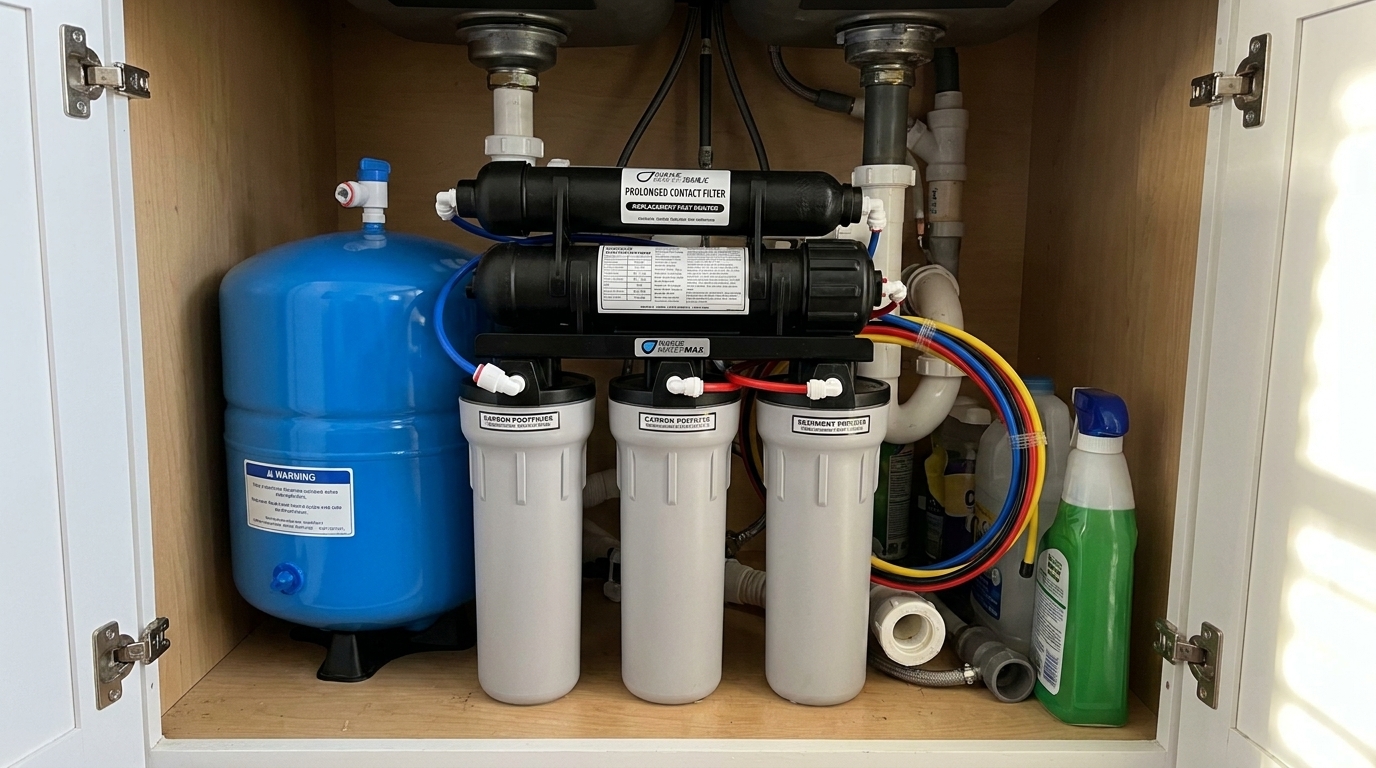
- Reverse osmosis installation for families needing nitrate, arsenic, lead, or PFAS reduction
- Water filtration solutions matched to what the test results actually show
- Clear explanations of what the water contains, what the risks are, and what the treatment options look like
If you have a private well and a baby on the way, or an infant in the house and unresolved questions about the water, contact Jersey Radon for a free estimate. We’ll test the water, walk through the results with you, and make sure the right treatment is in place before the water is used for formula, food preparation, or anything else that matters.
