Radon in well water has a way of surfacing at the worst possible time in a home sale, usually during inspection week when everyone involved wants a fast, clean answer. It rarely gets one on the spot.
Whether you’re buying a home with a private well or selling one, knowing what a radon aeration system actually means for the transaction helps you avoid last-minute surprises.
For Buyers: What an Existing System Tells You, and What It Doesn’t
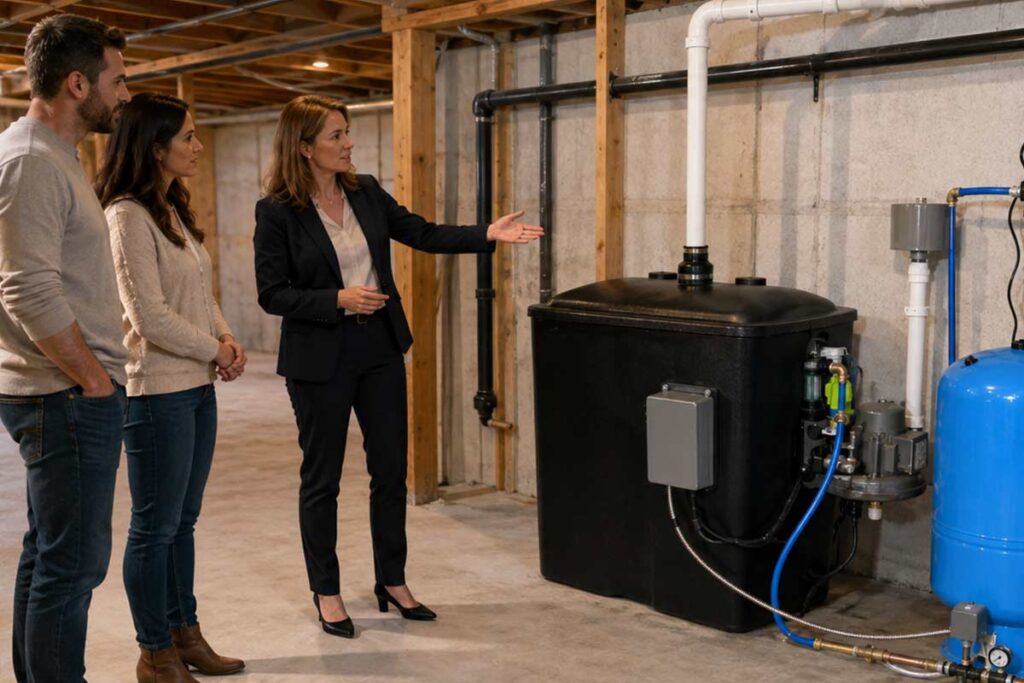
Finding an aeration system already installed is generally a good sign, but it isn’t proof the home’s water is currently radon-free. Systems need maintenance, and a unit installed years ago without documented service or recent testing doesn’t confirm anything about today’s water quality.
Ask for the most recent water test results, not just confirmation that a system exists. What a radon aeration system does once it’s installed depends entirely on whether it’s been maintained, so documentation matters more than the equipment itself.
For Buyers: Homes With No Existing Treatment
A well with no radon testing history isn’t automatically a problem, but it is an unknown worth resolving before closing rather than after. Making a water radon test part of the inspection contingency gives you a real answer while there’s still room to negotiate, rather than discovering an issue once you already own the home.
For Sellers: Getting Ahead of the Question
A buyer’s inspector or attorney is likely to ask about well water radon at some point in the process, particularly in parts of New Jersey known for higher radon-producing bedrock. Having recent test results on hand, and a maintenance record if a system is already installed, tends to keep that conversation short instead of turning into a delay.
If your well has never been tested for radon specifically, or it’s been several years since the last test, doing it before listing removes one more variable from the closing timeline.
Where Real Estate Timelines and Water Testing Overlap
Radon in water testing takes time to schedule, sample, and get lab results back, and that timeline doesn’t always match a tight contract window. Buyers and sellers who build testing into the process early, rather than waiting for an inspector to flag it, generally have more room to negotiate treatment or pricing if a result comes back elevated.
Because disclosure and contract requirements vary and can carry real legal weight, a real estate attorney is the right resource for how a radon result should be handled within your specific contract, not a general guide like this one.
How Jersey Radon and Water Treatment Supports Buyers and Sellers Through the Process
A test scheduled during a tight closing window still needs to be accurate and turned around quickly. Jersey Radon and Water Treatment works with buyers, sellers, and agents throughout New Jersey to test well water for radon and, where treatment is needed, to design and install a system before the transaction is at risk of stalling.
Understanding radon in water risks specific to New Jersey is a useful starting point whether you’re buying or selling. Contact us to get testing scheduled around your transaction timeline.
