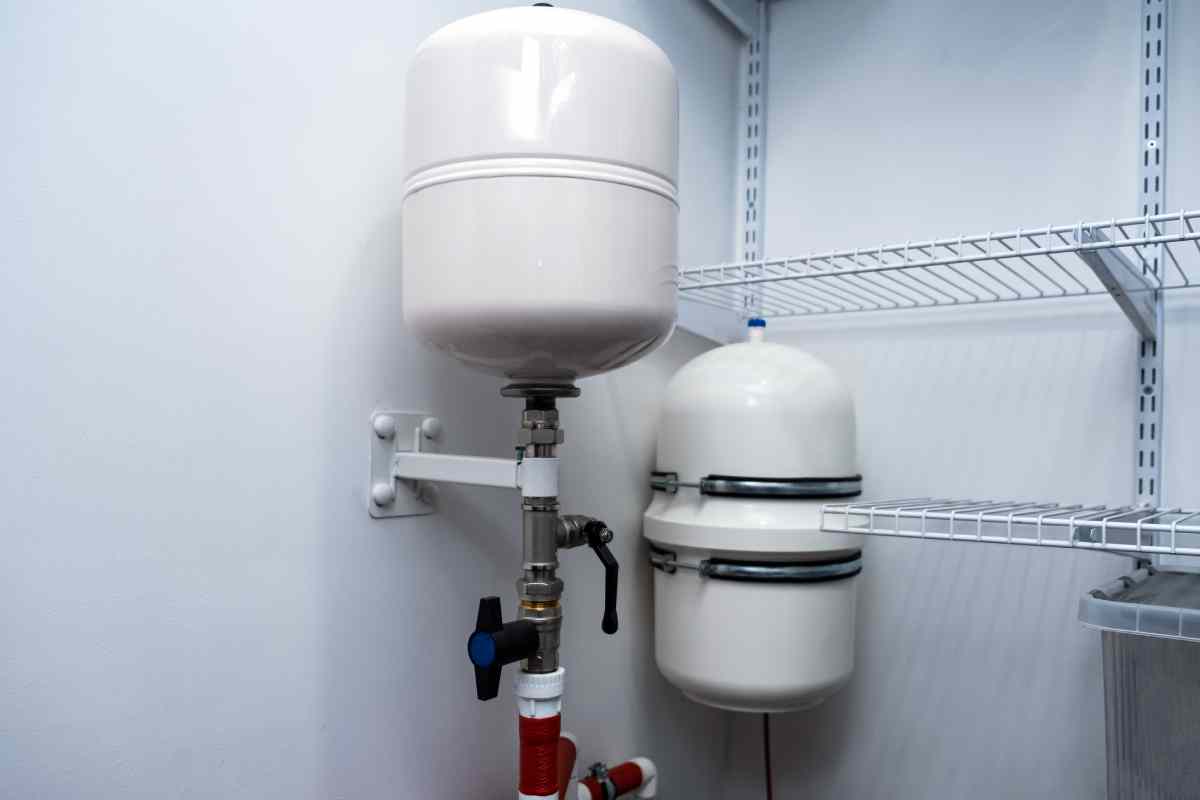
 A radon aeration system is built to do one job well: pull dissolved radon out of well water. It isn’t built to fight sediment, iron, or hardness at the same time, and asking it to do so tends to shorten its life and reduce how well it performs.
That’s why a well water test often turns up more than just a radon number, and why what else is in the water can end up shaping the installation as much as the radon reading does.
What Happens When an Aerator Treats Untreated Water
Sediment can clog spray nozzles and diffusers inside the aeration chamber, reducing the water-to-air contact the whole system depends on. Iron and manganese can foul the same components, along with the blower and repressurization pump, leading to more frequent service calls and a shorter equipment lifespan. Hard water adds scale buildup throughout the system, including the pressure tank and plumbing downstream of it.
None of this necessarily stops the aerator from running, but it can mean it isn’t removing as much radon as it’s rated for, since how the aeration process actually separates radon from water depends on consistent contact and flow that fouled equipment can’t maintain.
Where Hague Equipment Fits In
Jersey Radon and Water Treatment is a certified installer of Hague Quality Water products, and Hague’s softening and filtration lines are what typically go ahead of an aeration system when a water test shows sediment, iron, or hardness alongside radon.
The WaterMax softener addresses hardness and low-level iron before water reaches the aerator, protecting downstream components from scale and iron fouling. For homes with more involved water quality issues, the H3600 filtration system combines softening with broader filtration in a single unit, which can simplify a treatment train that would otherwise need multiple separate stages ahead of the radon equipment.
Sequencing the Treatment Train Correctly
Order matters here. Pretreatment components generally need to sit upstream of the aerator, protecting it from the conditions that would otherwise reduce its performance or service life. Installing an aeration system first and adding pretreatment later usually means redoing part of the plumbing, which costs more than sequencing it correctly from the start.
This is one of the reasons professional installation tends to outperform a DIY approach, since getting the treatment train in the right order takes an understanding of how each component affects the ones after it.
What a Water Test Tells You Before Any of This Gets Decided
None of this can be planned around guesswork. A full water test shows the radon concentration alongside sediment, iron, manganese, and hardness levels, which is what determines whether pretreatment is needed at all and, if so, which Hague system makes sense for the water in question.
How Jersey Radon and Water Treatment Designs a Complete System
Jersey Radon and Water Treatment starts every radon-in-water project with testing, then designs the treatment train around what that test actually shows, whether that means an aeration system on its own or paired with Hague pretreatment equipment ahead of it. Getting the sequence and sizing right from the start is what keeps a system performing the way it was designed to.
If your well water needs testing before a system gets designed, contact us to get started.
