Some water treatment methods discharge water as part of how they operate. Aeration isn’t one of them, which is worth knowing if water efficiency is part of the decision.
How Water Actually Moves Through the System
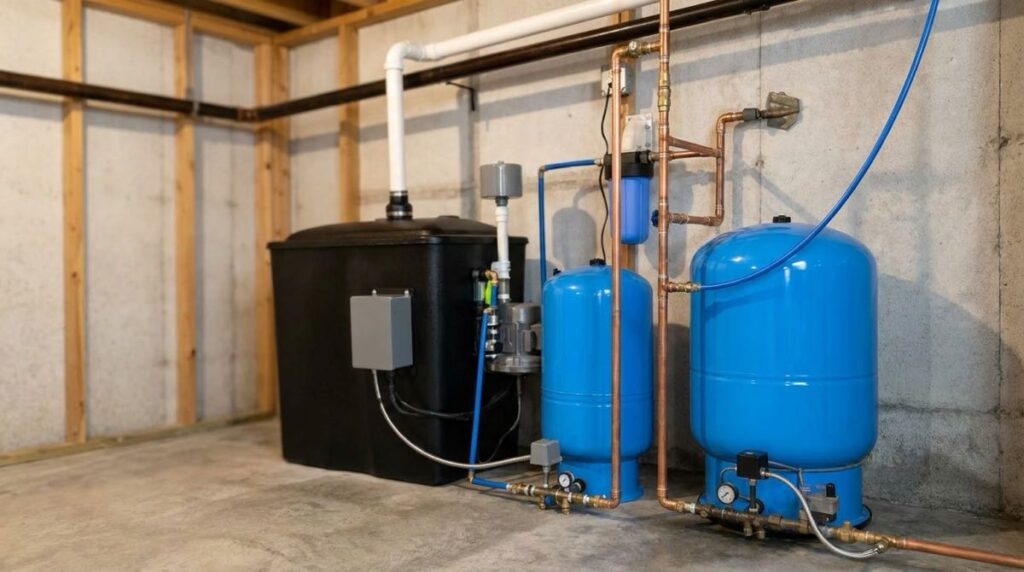
How water moves through the aeration process involves contact with air inside a treatment chamber, followed by repressurization back into household plumbing. The water itself isn’t discharged as part of this cycle.
That’s a meaningful difference from some other treatment technologies. Certain filtration or softening systems periodically discharge water during backwash or regeneration cycles. Aeration doesn’t rely on a discharge cycle at all, since it works by exposing water to air rather than flushing media.
| Treatment Method | Discharges Water During Operation? |
|---|---|
| Radon aeration | No |
| Water softener regeneration | Yes, periodically |
| Some filtration backwash cycles | Yes, periodically |
Where Water Use Does Come Up
Occasional maintenance, such as flushing sediment from a tank or servicing a pump, may use a small amount of water. That’s incidental to service, not a regular part of normal operation.
The system otherwise runs based on how much water the household uses, not on a separate cycle of its own. Water use with an aeration system installed reflects the household’s actual consumption, nothing more.
The Real Ongoing Cost Is Electricity
Where an aeration system does have an ongoing resource cost, it’s electricity for the blower and pump, not water. The energy required to operate aeration equipment is the more relevant efficiency question for this type of system.
Evaluate Efficiency Based on the Whole System
Does a radon aeration system waste water? No, not by design. Jersey Radon and Water Treatment can explain how proposed equipment operates within a home’s existing well system, including what resources it actually uses on an ongoing basis. Contact us to compare treatment options.
