Edison Homeowners Know Hard Water. The Taste and Smell Problems That Come With It Are a Different Chapter.
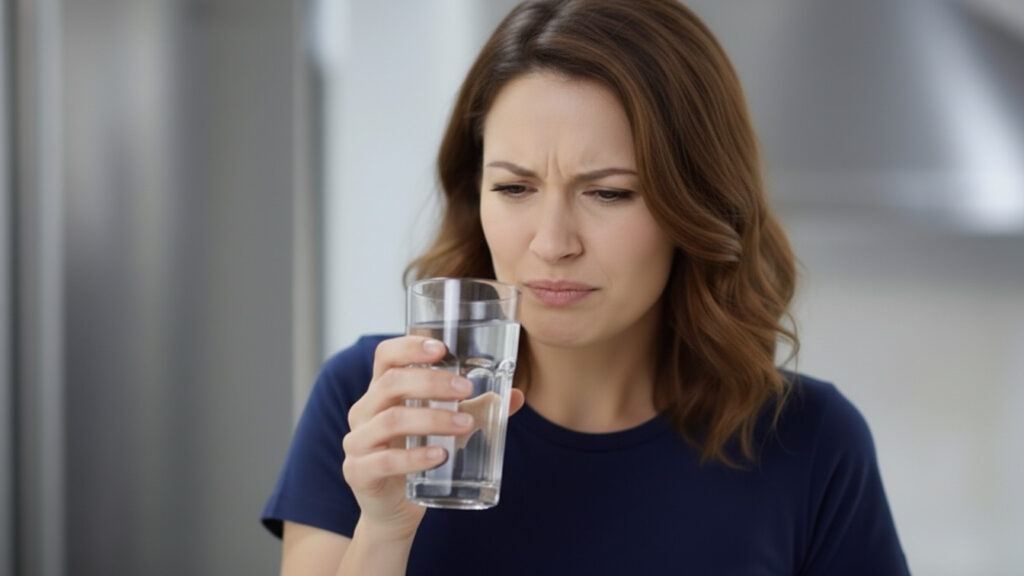
Hard water is the water quality story most Edison homeowners already know — the scale on the showerhead, the spots on the dishwasher, the soap that doesn’t quite lather. But hard water and bad-tasting or bad-smelling water aren’t the same problem, and they don’t have the same solution. The chemical taste from chloramine disinfection, the metallic flavor from high mineral content or aging pipes, the sulfur smell from well water or water heaters — these are distinct issues with distinct causes. Edison’s mix of municipal utility customers and private well owners in the township’s less-developed areas creates a range of possible causes depending on the specific property. Water testing in Edison identifies which one applies to your home.
Chloramines — The Chemical Taste in Edison’s Municipal Supply
Edison’s municipal supply draws from Middlesex County utility sources — treated water that uses chloramine as its primary disinfectant. Chloramine is a chlorine-ammonia compound that’s more stable than chlorine alone, maintaining its disinfecting effectiveness across long distribution networks. For Edison municipal customers, that stability translates into a persistent chemical taste and smell at the tap that doesn’t dissipate as quickly as chlorine would.
What homeowners notice: a bleach-like smell from the faucet when water runs, a flat or chemical quality to drinking water and coffee, and sometimes mild skin or eye sensitivity in the shower. This is within the EPA’s drinking water standards — but regulated and pleasant are different standards. Chloramine also produces trihalomethanes and haloacetic acids as disinfection byproducts, which are regulated but contribute to the overall taste and odor profile of treated municipal water.
Iron and Manganese — Why Edison Well Water Tastes Metallic and Stains Everything Orange
Iron and manganese are among the most common water quality complaints from Edison homeowners on private wells in the township’s less-developed residential areas. Both are dissolved minerals that occur naturally in Middlesex County groundwater. Iron produces a characteristic metallic taste, orange-brown staining on toilet tanks, laundry, and fixtures; manganese produces darker staining and a more bitter, astringent metallic flavor.
These are secondary contaminants — regulated for aesthetic rather than direct health reasons at typical concentrations — but they make water genuinely difficult to use and significantly affect the taste of drinking water, coffee, and food cooked with the water. They also damage water heaters and dishwashers over time through mineral buildup. A water test that specifically measures iron and manganese concentrations determines which treatment approach is appropriate — iron and manganese filtration is not the same as water softening, and choosing the wrong solution leaves the problem unsolved.
Hard Water Minerals — The Connection Between Scale and Taste
Edison sits in one of New Jersey’s harder water zones. High dissolved mineral content — primarily calcium and magnesium — doesn’t directly cause a distinctive taste at moderate concentrations, but at higher levels it produces a flat, slightly chalky quality in drinking water and leaves a mineral film on ice cubes. Dissolved calcium and magnesium also compete with other flavors in coffee and tea, which is why many Edison homeowners notice that beverages taste noticeably different when made with filtered or bottled water.
Hard water is addressed by a water softener, but softeners don’t improve taste at the drinking water level the way reverse osmosis at the kitchen tap does. Both concerns can be addressed simultaneously with a properly configured treatment approach.
Hydrogen Sulfide — Rotten Egg Smell in Edison Well Water and Hot Water Systems
The rotten egg odor of hydrogen sulfide gas appears in Edison homes in two distinct contexts: from private well water where sulfur-reducing bacteria in the Middlesex County groundwater produce the gas naturally, and from hot water systems where the same type of bacteria react with the water heater’s magnesium anode rod.
The distinction matters for diagnosis: sulfur smell at all taps including cold water consistently points to a groundwater source; sulfur smell only at hot water taps points to the water heater. The CDC’s private well water guidance covers what to do when well water shows quality warning signs like hydrogen sulfide. A water test confirms the source and concentration.
Aging Interior Plumbing — The Metallic Taste Inside Edison’s Older Homes
Edison’s established residential neighborhoods include a significant inventory of mid-century homes — ranches, colonials, and split-levels from the 1950s through the 1970s — where galvanized steel pipes and copper plumbing with lead solder have been in service for decades. Corrosion products from these materials enter water that sits in the pipes overnight, producing a distinctly metallic taste in the first draw of the morning.
What homeowners notice: metallic taste specifically in the first glass, improving after running the tap for a minute. This pattern distinguishes plumbing-sourced metallic taste from supply-sourced metallic taste. The municipal supply arrives at the home lead-free; what the interior plumbing contributes to the water before it reaches the glass is a property-specific question that a tap-level water test answers directly.
What Your Symptom Is Likely Telling You
| Symptom | Likely Cause | What It Means |
|---|---|---|
| Chemical or bleach smell | Chloramine (municipal) | Normal treatment chemistry; carbon filtration addresses it |
| Metallic taste, worse in morning | Aging interior plumbing | Pipe corrosion overnight; tap test confirms source |
| Orange staining on fixtures | Dissolved iron (well water) | Iron in Middlesex County groundwater; filtration needed |
| Bitter or astringent metallic taste | Manganese (well water) | Secondary contaminant; specific filtration addresses it |
| Rotten egg smell — all taps | Hydrogen sulfide in groundwater | Well water sulfur bacteria; requires treatment |
| Rotten egg smell — hot water only | Water heater anode rod reaction | Tank-specific issue; anode replacement often resolves it |
| Flat, chalky quality to drinking water | High dissolved minerals (hard water) | Hardness minerals; reverse osmosis at tap improves taste |
Finding the Right Solution in Edison
The right treatment depends entirely on the specific cause — which is why testing before treating is the most efficient path. Water testing in Edison identifies the specific chemistry or contaminant driving the taste or smell in your home. Options include whole-home carbon filtration for chloramine and organic compounds, iron and manganese-specific filtration for well water quality issues, water softening for hardness, and reverse osmosis at the kitchen sink for the highest level of drinking water quality.
We serve Edison and all of Middlesex County, including Metuchen, Woodbridge, Piscataway, and East Brunswick. Our full New Jersey service area covers communities statewide. Additional context on specific water problems is available through our bad tasting water and smelly water resources. The NJ DEP Water Supply program provides state-level context on New Jersey drinking water quality. Call us at (732) 357-1988 or reach out online.
Frequently Asked Questions — Bad Tasting or Smelly Water in Edison, NJ
My Edison water is hard — does that cause the bad taste?
Hard water at high concentrations can produce a flat, chalky quality in drinking water and noticeably affects coffee and tea flavor. But hard water isn’t the only cause of bad taste — chloramine chemistry and aging interior plumbing are common additional factors in Edison homes. A water test identifies which factors are actually present and at what concentrations, so the treatment approach addresses the actual causes rather than guessing.
Is the orange staining in my Edison home’s toilet tank from the water supply?
In most cases for Edison well owners, yes — orange staining indicates dissolved iron in the water drawn from Middlesex County groundwater. For municipal customers, orange staining can also appear temporarily after distribution system disturbances like main breaks or pressure changes that disturb sediment in older pipes. A water test distinguishes between these sources and confirms the iron concentration.
My Edison well water smells fine but tastes metallic — what’s causing it?
Metallic taste without a corresponding smell typically indicates iron or manganese in the water at concentrations below the odor threshold, or corrosion from interior plumbing rather than a groundwater sulfur issue. Testing measures the specific minerals present and their concentrations, which determines whether the issue is well water chemistry, plumbing, or both.
Does a water softener fix the taste problem in Edison hard water homes?
A softener addresses the scale, soap performance, and appliance damage caused by hard water minerals — and softened water does taste somewhat different from hard water. But for drinking water quality specifically, reverse osmosis at the kitchen tap provides significantly more improvement in taste than softening alone. Many Edison homeowners have both, each doing what it does best.