Newark’s Water Quality Conversation Has Centered on Lead. PFAS Is the Chapter That Comes After.
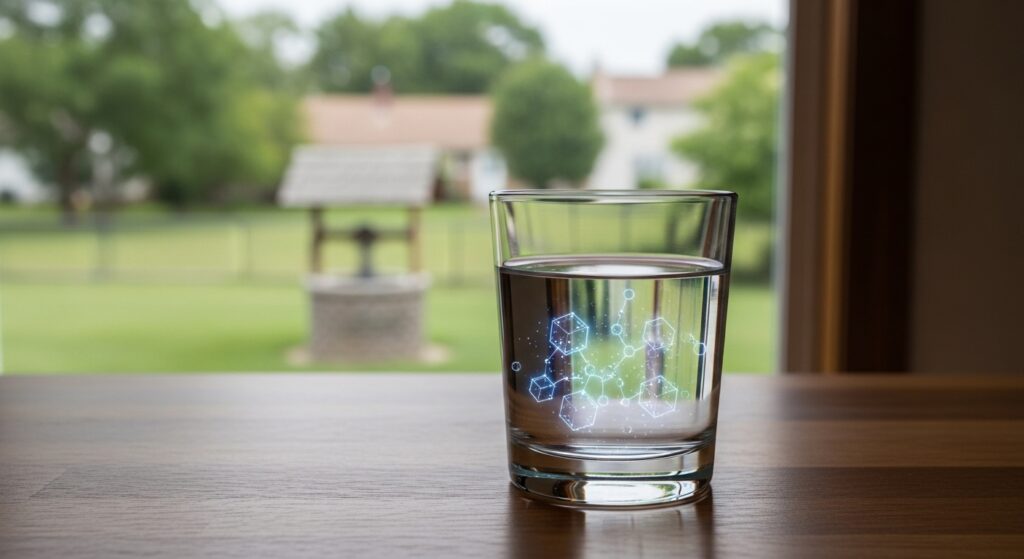
Newark homeowners who’ve followed the city’s water quality story closely know the lead narrative well. What’s less discussed is PFAS — per- and polyfluoroalkyl substances that have been detected in portions of New Jersey’s water supply system, including areas of Essex County. Unlike lead, PFAS don’t come from interior plumbing or service line infrastructure. They come from industrial and environmental sources that have been loading groundwater and surface water across northern New Jersey for decades. And unlike lead, PFAS produce no taste, no smell, and no visible change in the water — which is precisely why testing is the only way to know whether they’re present in your specific tap water.
What PFAS Are and Why They Don’t Go Away
PFAS — per- and polyfluoroalkyl substances — are a category of more than 12,000 synthetic chemical compounds defined by an extremely strong carbon-fluorine bond. That bond gives PFAS their commercially valuable properties: heat resistance, water resistance, chemical stability. It also makes them environmentally permanent. The carbon-fluorine bond doesn’t break down in the environment under heat, UV exposure, biological activity, or water. PFAS that enter a water supply — whether groundwater or surface water — persist indefinitely.
They have no taste at the concentrations relevant to health, no smell, and no visual indicator. Standard water treatment processes — the coagulation, sedimentation, and conventional filtration that Newark’s treatment plants use — don’t reliably remove PFAS. Specific technologies are required: activated carbon filtration and reverse osmosis are the established household-level approaches. The EPA’s PFAS overview covers the full scientific and regulatory context.
How PFAS Reach Newark Area Water Supplies
Newark’s supply draws from the Pequannock, Wanaque, and Charlotteburg watershed system — surface water sources in a region with a long industrial history. Northern New Jersey’s industrial corridor has been a significant source of PFAS loading in regional groundwater and surface water through manufacturing discharge, chemical plant operations, and waste disposal practices that preceded awareness of PFAS environmental persistence.
Aqueous film-forming foam (AFFF) — used at industrial facilities, airports, and emergency response training sites throughout Essex County and surrounding areas — has been among the most concentrated PFAS sources in the region. AFFF-related plumes spread through soil into groundwater and can affect surface water systems and drinking water supplies at distances from the original use site.
Newark’s municipal water is treated and regulated — the utility tests for PFAS and must meet New Jersey’s strict state maximum contaminant levels. Annual consumer confidence reports reflect where PFAS stands against those limits. The NJDEP PFAS resources page provides current statewide monitoring data and information on known contamination sites in Essex County and across New Jersey.
What Municipal Treatment Covers — and What It Leaves Open
Newark’s municipal supply is regulated, treated, and subject to mandatory PFAS monitoring. Municipal customers who want to understand their PFAS exposure should start with the utility’s annual consumer confidence report — it shows where PFAS concentrations stand relative to New Jersey’s MCLs. New Jersey’s standards are among the strictest in the country, in some cases significantly below the EPA’s federal guidance levels.
Plant-level compliance is a system-level assurance, not a property-level guarantee. For Newark homeowners in older buildings with complex interior plumbing, a direct tap test provides the most property-specific answer. For any property in the surrounding Essex County area on a private well, the regulatory protection that municipal customers have doesn’t apply — and testing is the only way to establish what the groundwater is delivering to the tap.
Health Considerations — The Research in Plain Language
Long-term exposure to elevated PFAS concentrations in drinking water has been associated with health concerns in a substantial and growing body of research. The most studied effects include immune system impacts, thyroid hormone effects, cholesterol changes, and increased risk of certain cancers with prolonged exposure at elevated concentrations. The EPA, CDC, and NJ DEP all recommend precautionary action when PFAS exceeds established thresholds.
These are long-term cumulative effects — not acute reactions to a single exposure event. The appropriate response to PFAS in drinking water is measurement, evaluation, and informed treatment if levels warrant it. The CDC’s PFAS health guidance provides regularly updated information on what the research shows.
PFAS in Context — What Newark Homeowners Should Understand
| Contaminant | Source Relevant to Newark Area | Detection | Why It Matters |
|---|---|---|---|
| PFAS (broad category) | Industrial discharge, AFFF, watershed loading | Specific lab test only — no sensory indicator | Persistent; long-term exposure concern |
| PFOA | Manufacturing discharge in NJ watershed | PFAS panel lab test | NJ MCL established; most studied compound |
| PFOS | AFFF use at industrial and emergency sites | PFAS panel lab test | Significant contamination plumes in northern NJ |
| PFNA, GenX | Industrial byproducts and substitutes | Comprehensive PFAS panel | NJ has specific MCLs for both compounds |
Testing and What Comes After
A PFAS water test requires a specific laboratory analysis ordered separately from standard water quality panels. Results in parts per trillion for each compound tested are compared against New Jersey’s MCLs. If levels warrant action, activated carbon whole-home filtration and reverse osmosis at the kitchen tap are the most effective household approaches. Full treatment detail is available through our PFAS removal resources. For the full Newark water quality picture, water testing in Newark covers the complete contaminant profile. Our full New Jersey service area covers communities statewide.
Frequently Asked Questions — PFAS in Newark, NJ Drinking Water
Has PFAS been detected in Newark’s water supply?
PFAS has been detected in portions of New Jersey’s water supply, including in some Essex County water sources. Newark’s utility tests and reports PFAS levels in its annual consumer confidence report — reviewing that report shows where the treated municipal supply stands relative to state limits. For property-specific certainty beyond the system-level report, a direct tap test provides the most relevant answer.
Is PFAS testing included in a standard water quality test?
No. It must be explicitly requested as a separate laboratory analysis. Standard panels don’t include PFAS. If it wasn’t specifically on a previous water test, the question remains unanswered for that property.
Given Newark’s lead pipe history, should I also test for PFAS?
Yes — they’re separate concerns requiring separate tests. Lead comes from interior plumbing and service line infrastructure. PFAS comes from environmental and industrial sources in the water supply itself. Addressing one doesn’t address the other. A comprehensive tap test can include both, giving you the complete picture at a specific address.
Can reverse osmosis remove PFAS from Newark tap water?
Yes — reverse osmosis is one of the most effective household-level technologies for PFAS reduction, removing the vast majority of PFAS compounds from drinking and cooking water at the point of use. Combined with lead reduction, it addresses two of Newark’s most relevant water quality concerns simultaneously at the kitchen tap.
How quickly can PFAS testing be arranged?
We can typically schedule within a few days. PFAS-specific lab analysis takes approximately two to three weeks for results. We walk through what the results mean for your specific situation when they come back.
Get PFAS Testing Arranged for Your Newark Home
If you’ve addressed the lead concern in your Newark home but haven’t tested for PFAS — or if you want a complete picture of what’s in the water at your specific tap — we can help. We serve Newark and all of Essex County. Call us at (732) 357-1988 or reach out online.